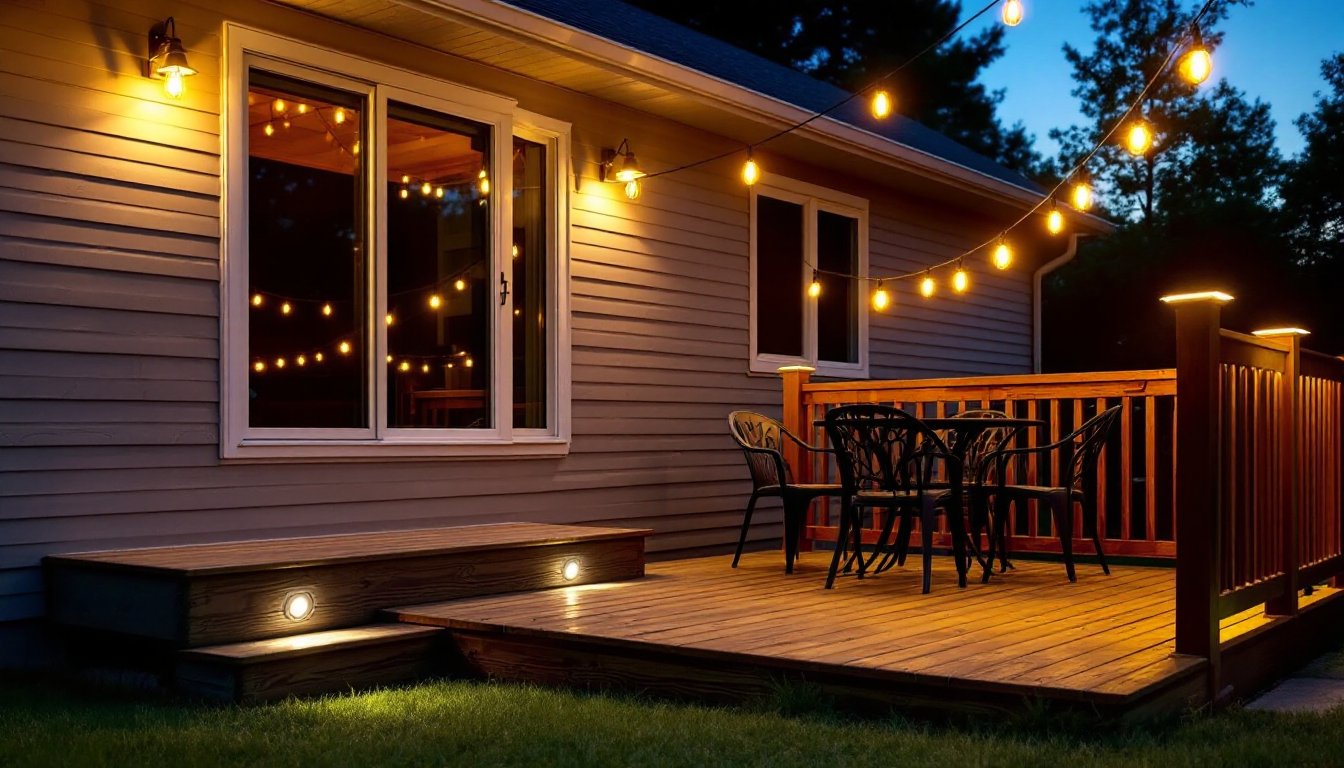
Outdoor sconce lighting has evolved far beyond the brass carriage lamps of decades past. Modern outdoor sconces combine clean lines, durable materials, and energy-smart technology to create architectural focal points that work as hard at night as they do during the day. Whether flanking a front door, illuminating a garage entrance, or accenting patio walls, today’s sconces deliver layered lighting that boosts security, highlights design details, and transforms curb appeal. This guide walks through the design characteristics, placement strategies, material choices, and smart features that define modern outdoor sconce lighting in 2026.
Table of Contents
ToggleKey Takeaways
- Modern outdoor sconce lighting prioritizes clean lines, geometric shapes, and functional elegance over ornamental excess, with matte finishes and dark-sky-compliant designs becoming standard in residential lighting.
- Optimal placement for entryway sconces is 66 to 72 inches from the floor, 8 to 10 inches from the door casing, while deck and patio sconces should be spaced 6 to 8 feet apart for balanced illumination and visual appeal.
- Aluminum and stainless steel offer superior durability and corrosion resistance in outdoor environments, with powder-coated aluminum rated for wet locations providing excellent value and tempered glass diffusers ensuring longevity.
- Integrated LED modules deliver 50,000+ hours of consistent, energy-efficient lighting at 8 to 15 watts, while socket-based LED fixtures allow for easy bulb replacement as technology evolves.
- Smart outdoor sconce lighting with photocells, motion sensors, and Wi-Fi connectivity reduces energy consumption and adds security, though installation requires a neutral wire and wet-rated electronics to prevent moisture damage.
What Makes Outdoor Sconce Lighting Modern?
Modern outdoor sconces reject ornamental excess in favor of intentional geometry and functional elegance. Unlike traditional fixtures laden with scrollwork or faux-historic detailing, modern designs emphasize clean lines, asymmetry, and exposed light sources.
Key characteristics include:
- Geometric shapes: Cylinders, cubes, rectangles, and angular forms replace curved, decorative housings.
- Visible bulbs or diffused panels: Many modern sconces showcase LED modules or use frosted glass and acrylic to create soft, even illumination without hiding the light source.
- Minimal hardware: Mounting plates and fasteners are concealed or integrated into the fixture body.
- Matte and brushed finishes: Powder-coated aluminum, brushed nickel, and matte black dominate, steering clear of polished brass or antique bronze.
- Dark-sky compliance: Fixtures designed to direct light downward reduce light pollution and align with International Dark-Sky Association (IDA) guidelines, an increasingly common code requirement in suburban and rural jurisdictions.
Materials lean heavily on aluminum, stainless steel, and tempered glass, chosen for corrosion resistance and longevity in outdoor environments. Modern sconces also integrate seamlessly with contemporary and mid-century architecture, where symmetry and proportion matter more than ornamentation.
Top Design Styles for Modern Outdoor Sconces
Modern outdoor sconces branch into several distinct aesthetics, each suited to different architectural contexts and personal tastes.
Minimalist and Geometric Designs
Minimalist sconces strip lighting down to essential forms. Expect sharp-edged rectangles, flat backplates, and simple up-or-down light distribution. Popular configurations include:
- Box sconces: Rectangular housings in matte black or white, often with frosted acrylic or polycarbonate diffusers.
- Cylinder sconces: Vertical or horizontal tubes that cast light in one or both directions.
- Cube and linear fixtures: Wall-mounted cubes or slim horizontal bars, ideal for flanking garage doors or modern entryways.
These designs work best on homes with horizontal siding, stucco, or board-and-batten exteriors. They’re also budget-friendly and widely available, with reliable options from manufacturers like WAC Lighting and Kichler in the $80–$200 range.
Industrial and Contemporary Finishes
Industrial-modern sconces borrow from warehouse and loft aesthetics, featuring exposed hardware, cage-style guards, and mixed materials. Common elements include:
- Metal cages or grates: Protect bulbs while adding visual texture.
- Aged or raw finishes: Galvanized steel, oil-rubbed bronze, and weathered copper.
- Edison-style LED bulbs: Filament bulbs (in LED form) provide a vintage look without the energy waste of incandescent.
Contemporary finishes lean into high-contrast palettes, matte black with brushed brass accents, graphite with satin nickel, or charcoal gray with clear glass. These sconces pair well with farmhouse-modern, Scandinavian, and transitional home styles. Expect to spend $120–$350 for quality industrial-contemporary fixtures with wet-rated or damp-rated UL listings.
Choosing the Right Placement for Maximum Impact
Placement dictates both function and visual balance. Modern sconces should illuminate pathways, entries, and architectural features without creating glare or dark pockets.
Standard mounting height for entryway sconces is 66 to 72 inches from the finished floor to the center of the fixture. On either side of a door, sconces should sit 8 to 10 inches from the door casing and align horizontally. If the door has sidelights or a transom, mount sconces just below the top of the door frame to preserve symmetry.
For garage entries, place sconces 18 to 24 inches from the edge of the garage door trim at a height that matches front entry fixtures. This creates a unified look across the facade.
Accent and task lighting applications include:
- Deck and patio walls: Space sconces 6 to 8 feet apart along perimeter walls to define outdoor living areas.
- Stairways and steps: Install sconces at each landing, directing light downward to illuminate treads and risers safely.
- Architectural features: Highlight stone or wood veneer, board-and-batten panels, or vertical siding by positioning sconces to graze the surface with light.
Always verify electrical box placement before ordering fixtures. Most modern sconces require a standard 4-inch round or octagonal junction box. If the existing box is offset or damaged, plan to install a new one, this often requires cutting into siding and may need a permit if running new wire.
Material and Finish Options That Last
Outdoor sconces face UV exposure, temperature swings, precipitation, and airborne salts (in coastal areas). Material selection directly impacts longevity and maintenance.
Aluminum remains the workhorse material for modern sconces. It resists rust, weighs less than steel, and accepts powder-coat finishes that hold up for years. Look for fixtures with powder-coated aluminum housings rated for wet locations (UL 1598 wet-rated), not just damp.
Stainless steel (304 or 316 grade) offers superior corrosion resistance, especially in coastal or industrial environments. It costs more, expect a 20–40% premium over aluminum, but requires almost no maintenance.
Brass and copper develop a natural patina over time. Unlacquered brass ages to a mottled brown-green: copper turns blue-green. If that’s not the desired aesthetic, choose lacquered or clear-coated versions, though they’ll need refinishing every few years.
Glass and acrylic diffusers should be tempered or impact-resistant. Frosted tempered glass is durable and easy to clean: polycarbonate and acrylic are lighter and less prone to shattering but can yellow or scratch over time.
Finish durability varies:
- Matte black powder coat: Hides dirt and water spots: resists UV fading.
- Brushed nickel or stainless: Shows fingerprints and water marks but cleans easily.
- Textured or hammered finishes: Conceal minor dings and weathering.
Avoid painted steel fixtures unless they’re marine-grade: rust will bleed through within two to three years in humid climates.
Smart Features and Energy Efficiency in Modern Sconces
Modern outdoor sconces increasingly integrate LED modules and smart controls, reducing energy use and adding convenience.
Integrated LED sconces house non-replaceable LED arrays rated for 50,000+ hours (roughly 15–20 years at typical use). Benefits include:
- Lower wattage (typically 8 to 15 watts for fixtures producing 800–1,200 lumens).
- Consistent color temperature (2700K warm white to 3000K neutral white).
- Slim profiles, since no bulb socket is needed.
Downside: When the LED fails, the entire fixture or module must be replaced. For that reason, some homeowners prefer socket-based fixtures using standard E26 LED bulbs, which can be swapped out as technology improves or preferences change.
Photocell and motion sensors add automation. Dusk-to-dawn photocells turn sconces on at sunset and off at sunrise. PIR (passive infrared) motion sensors trigger lights when movement is detected within a 15 to 30-foot range, ideal for security but potentially annoying near active sidewalks or roads. Some fixtures offer adjustable sensitivity and timeout settings.
Smart sconces compatible with Wi-Fi, Zigbee, or Z-Wave protocols allow control via smartphone apps or voice assistants. Schedules, dimming, and color tuning (if RGB-capable) become available without replacing wall switches. Installation requires a neutral wire at the switch box, older homes often lack this, requiring a retrofit or smart bulb instead of a smart fixture.
Energy Star–rated outdoor sconces meet EPA efficiency standards and often qualify for utility rebates. Check local programs: some regions offer $10–$25 rebates per qualifying fixture.
Always confirm that smart features are wet-rated, not just the fixture housing. Electronics exposed to moisture will fail prematurely, and warranties typically exclude water damage.