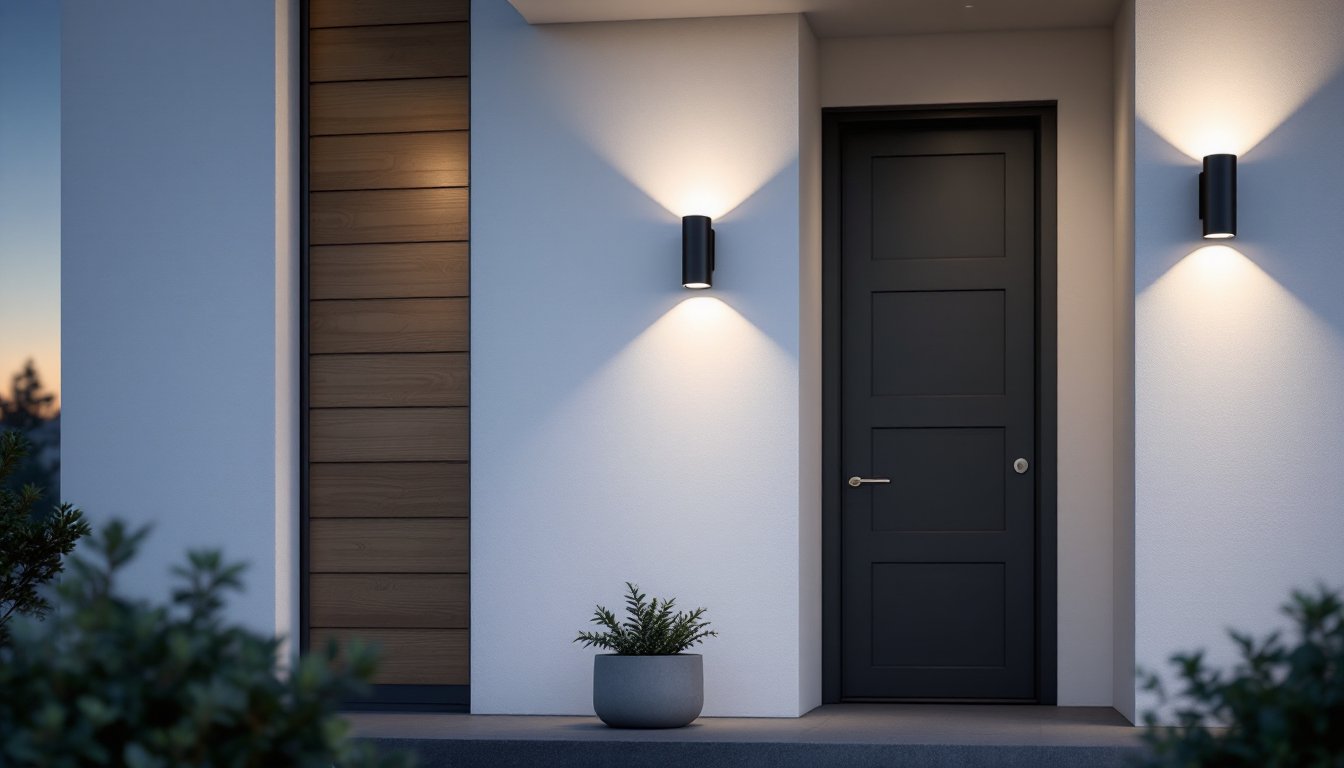
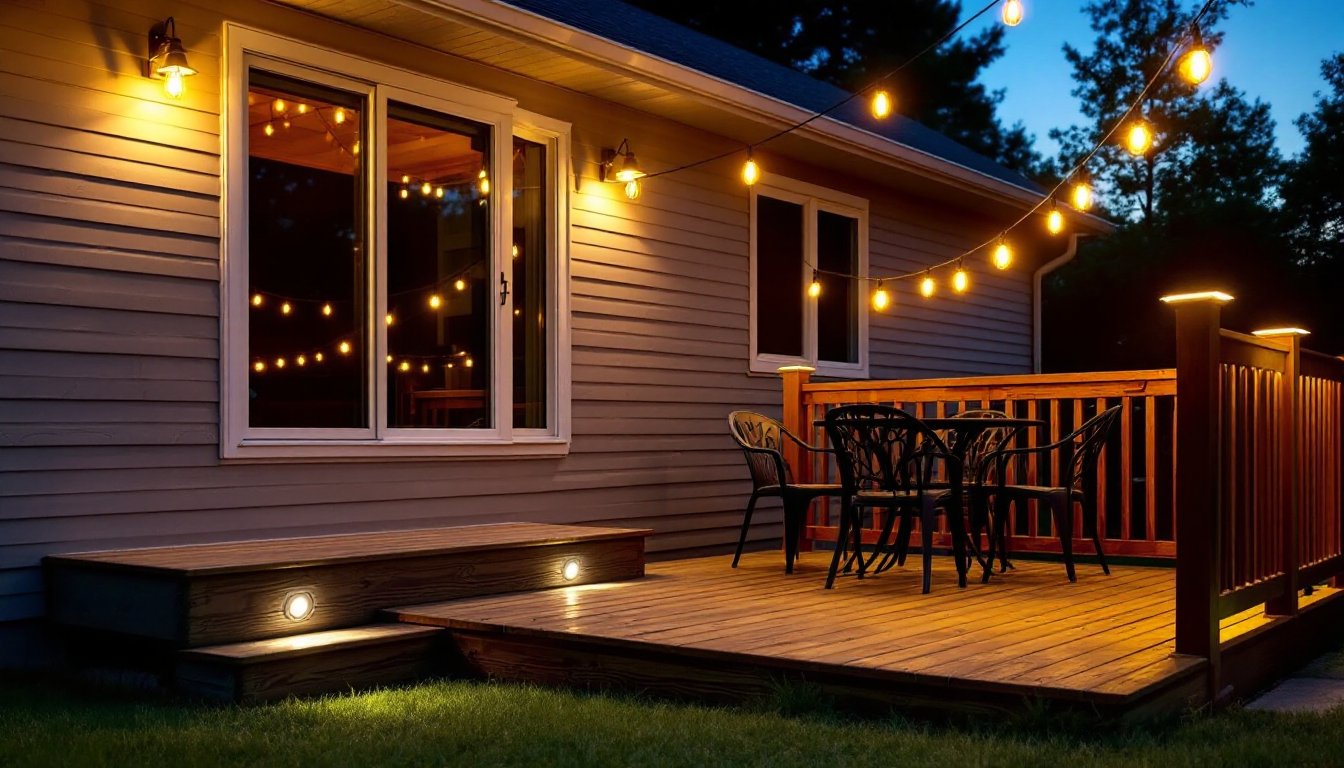
Outdoor soffit lighting transforms the exterior of a home after dark, casting subtle downlight that highlights architectural features, illuminates walkways, and improves security without the glare of floodlights. Installed in the underside of roof overhangs, the soffit, these fixtures provide functional light where it’s needed most: around entry doors, patios, and along building facades. Unlike wall-mounted sconces or post lights, soffit fixtures tuck flush or nearly flush into the eave, keeping sightlines clean and directing light downward. Whether upgrading a single entry or lighting an entire perimeter, understanding fixture types, placement strategy, and wiring requirements helps homeowners make choices that balance performance, aesthetics, and code compliance.
Table of Contents
ToggleKey Takeaways
- Outdoor soffit lighting offers a discreet, architectural solution for illuminating entryways, walkways, and building facades while improving home security and curb appeal.
- Choose between recessed fixtures (best for solid soffits with 3+ inches of depth and a clean aesthetic) and surface-mounted options (ideal for retrofit applications and vented soffits).
- Proper spacing of 6–8 feet between soffit fixtures ensures even coverage, with residential entries typically requiring 50–100 lumens per square foot.
- All soffit lighting fixtures require a damp-location rating minimum, with wet-location ratings (IP65 or higher) recommended for exposed areas subject to wind-driven rain.
- Professional installation is essential if your project requires running new circuits from the breaker panel, working in confined attic spaces, or obtaining electrical permits—improper wiring can void insurance and violate code.
- Warm white lighting (2700–3000K) creates inviting residential ambiance, while cool white (4000–5000K) enhances security visibility and task-area contrast.
What Is Outdoor Soffit Lighting and Why It Matters
Outdoor soffit lighting refers to fixtures mounted in or on the soffit, the horizontal surface beneath roof eaves or overhangs. Soffits typically consist of vinyl, aluminum, fiber cement, or wood panels that close off the underside of the rafter tails, and they offer a convenient, weather-protected location for downlighting.
Most soffit lights mount recessed (cutting a hole in the soffit panel and inserting a canister) or surface-mounted (attaching a low-profile fixture to the soffit’s face). Both styles aim light downward, reducing glare and light trespass while highlighting entry areas, plantings, or pathways.
From a practical standpoint, outdoor lighting under eaves serves several functions:
- Safety and navigation: Illuminates steps, door thresholds, and walkways after dark.
- Security: Eliminates dark corners around the home perimeter and discourages unwanted visitors.
- Curb appeal: Adds dimension to the facade, showcasing trim, siding texture, or landscaping.
- Code compliance: Many jurisdictions require minimum illumination levels at entries and egress points.
Because the soffit is sheltered from direct rain (though not moisture), fixtures still need an appropriate wet- or damp-location rating per National Electrical Code (NEC) Article 410.
Key Benefits of Installing Soffit Lighting
1. Discreet, Architectural Integration
Soffit fixtures blend into the eave, avoiding the visual clutter of surface-mounted wall packs. This low-profile approach works especially well on contemporary or minimalist exteriors.
2. Controlled Light Distribution
Downlighting from the soffit directs illumination where it’s useful, on the ground, steps, or planting beds, without spilling into neighbors’ windows or the night sky. This makes soffit lights a favorite for dark-sky-friendly designs.
3. Enhanced Security and Visibility
Well-lit entries and side yards deter opportunistic intrusion. Motion-sensor or dusk-to-dawn options automate coverage without leaving lights burning all night.
4. Weather Protection
Because the fixture sits under an overhang, it’s shielded from direct precipitation, ice buildup, and UV degradation, extending service life compared to fully exposed fixtures.
5. Flexible Retrofit or New Construction
Homeowners can add outdoor recessed soffit lighting during a re-roof, siding replacement, or as a standalone upgrade. New construction allows for preplanned wiring runs and joist clearances.
Types of Outdoor Soffit Lights to Consider
Choosing between recessed and surface-mounted fixtures depends on soffit material, depth, and the desired aesthetic.
Recessed Soffit Lights
Recessed canisters cut into the soffit panel, with only the trim ring and lens visible from below. They offer the cleanest look and work best when the soffit depth exceeds 3 inches (measured from the underside of the panel to the roof sheathing or rafter).
- Construction: Typical housing diameters range from 4 to 6 inches. LED retrofit kits are common, delivering 600–900 lumens per fixture at 8–12 watts.
- Installation requirements: Requires hole-saw cutting through vinyl, aluminum, or fiber-cement panels. Wiring must route through the rafter bay or attic space. If soffits are vented (with perforated panels or screened strips), avoid blocking airflow paths.
- Best for: New construction, re-siding projects, or homes with non-vented solid soffits and accessible attic access.
- Considerations: Cutting into pre-finished aluminum or vinyl risks panel cracking in cold weather: use a fine-tooth hole saw and work slowly. Check rafter spacing to confirm fixture placement won’t conflict with structural members.
Surface-Mounted Soffit Fixtures
Surface-mount fixtures attach directly to the soffit face with screws, requiring no panel cutting. They protrude 1 to 2 inches below the soffit but install faster and suit shallow or vented soffits.
- Construction: Typically round or square die-cast aluminum or polycarbonate housings with integrated LED arrays. Output ranges from 400 to 1,200 lumens.
- Installation requirements: Mark screw holes, drill pilot holes through the soffit into a solid backing (rafter tail or blocking), and secure with stainless or coated screws. Run wiring through a knockout in the fixture base.
- Best for: Retrofit applications, vented soffits, or any scenario where cutting isn’t feasible.
- Considerations: Exposed fasteners and housing edges are visible: choose a finish (bronze, black, white) that complements trim color. Ensure gaskets or seals are intact to prevent moisture intrusion at the mounting plane.
Both types are available with selectable color temperature (2700K warm white to 5000K daylight) and dimming capability when paired with compatible controls.
How to Choose the Right Soffit Lighting for Your Home
Assess Soffit Depth and Material
Measure from the underside of the soffit panel to the nearest obstruction (roof sheathing, rafter, or blocking). Recessed fixtures need at least 3 inches of clear depth: less than that, go surface-mount.
Determine Spacing and Coverage
A general rule: space fixtures 6 to 8 feet apart for even coverage along walkways or building perimeters. For accent lighting, highlighting a single entry or column, one fixture per feature often suffices. Calculate total lumens needed based on the area: residential entries typically require 50–100 lumens per square foot of horizontal surface.
Check Electrical Access
If attic access is readily available above the soffit, running new wiring for recessed cans is straightforward. Homes with cathedral ceilings or no attic may require fishing wire through walls or hiring an electrician to avoid drywall demo.
Select Wet vs. Damp Rating
Even under an eave, fixtures should carry a damp-location rating at minimum. If the soffit sees wind-driven rain or is on an exposed gable end, upgrade to a wet-location rating (typically IP65 or higher).
Consider Control Options
Integrate photocell sensors (auto on/off at dusk/dawn), motion sensors (security and energy savings), or smart switches for app-based scheduling. Standard toggle or timer switches work fine for simpler setups.
Match Color Temperature to Use
- 2700–3000K (warm white): Creates inviting, residential ambiance: ideal for entries and patios.
- 4000–5000K (cool white): Increases visibility and contrast: better for security lighting or task areas like garage aprons.
Budget for Quantity and Quality
Entry-level surface-mount LED fixtures start around $15–$25 each: higher-output or designer recessed kits range $30–$60 per fixture. Factor in wire, connectors, junction boxes, and potential electrician fees if running new circuits.
Installation Tips and Best Practices
1. Turn Off Power and Verify
Shut off the breaker feeding the circuit. Use a non-contact voltage tester to confirm wires are dead before handling.
2. Plan the Circuit Load
Most residential 15-amp lighting circuits can handle twelve to fifteen 10-watt LED fixtures before hitting 80% capacity (NEC-recommended max continuous load). If adding multiple outdoor soffit lighting ideas fixtures, confirm existing load or install a dedicated circuit.
3. Use Proper Wire and Connectors
Run 14 AWG or 12 AWG NM-B cable (or UF-B if exposed to damp conditions) from the breaker panel or an existing junction box to each fixture location. Use watertight wire nuts or push-in connectors rated for outdoor use.
4. Cut Soffit Holes Carefully (Recessed Installs)
- Mark the center point: use a 4-inch or 6-inch hole saw depending on housing size.
- Support the cutout from below to prevent the disk from falling and denting siding or injuring someone.
- Deburr edges with sandpaper or a file to prevent sharp edges from nicking wire insulation.
5. Secure Housings and Junction Boxes
For recessed cans, attach the housing to solid framing (rafter tail or blocking) using the provided clips or screws. Surface-mount fixtures must screw into wood or metal backing, never rely on soffit panel alone, which will flex and crack.
6. Seal Penetrations
Apply a bead of exterior-grade silicone or polyurethane caulk around the trim ring (recessed) or fixture base (surface-mount) to prevent water or insect entry. Avoid overfilling, which can trap moisture.
7. Test Before Closing Up
Restore power and verify each fixture illuminates. Check for flicker, verify motion sensors trigger correctly, and confirm photocells activate at dusk.
8. Wear Appropriate PPE
- Safety glasses when drilling or cutting overhead.
- Work gloves to protect against sharp metal edges.
- Dust mask if cutting fiber-cement soffit panels, which produce silica dust.
9. Know When to Call a Pro
If the project requires running new circuits from the panel, working in a confined attic with limited clearance, or modifying structural members for fixture placement, hire a licensed electrician. Many jurisdictions require permits for new exterior lighting circuits, and improper work can void homeowners insurance.
10. Maintain and Inspect Annually
Clean lenses with a damp cloth to remove pollen and cobwebs. Check caulk seals and gaskets: re-seal as needed. LED arrays typically last 25,000–50,000 hours, but drivers or motion sensors may fail sooner and are usually replaceable.
By following these steps and selecting fixtures matched to the home’s architecture and soffit construction, homeowners can achieve professional-looking outdoor recessed soffit lighting or surface-mount installations that enhance safety, security, and curb appeal for years to come.