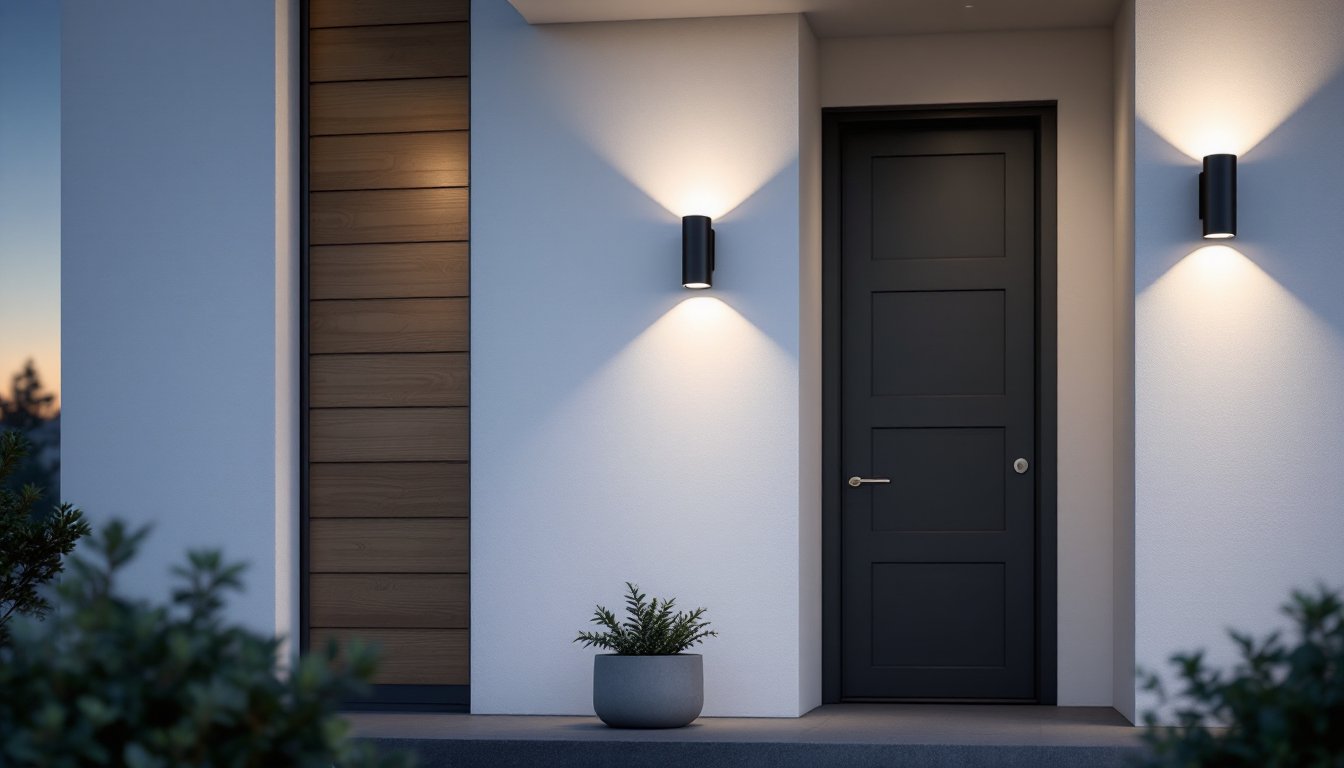
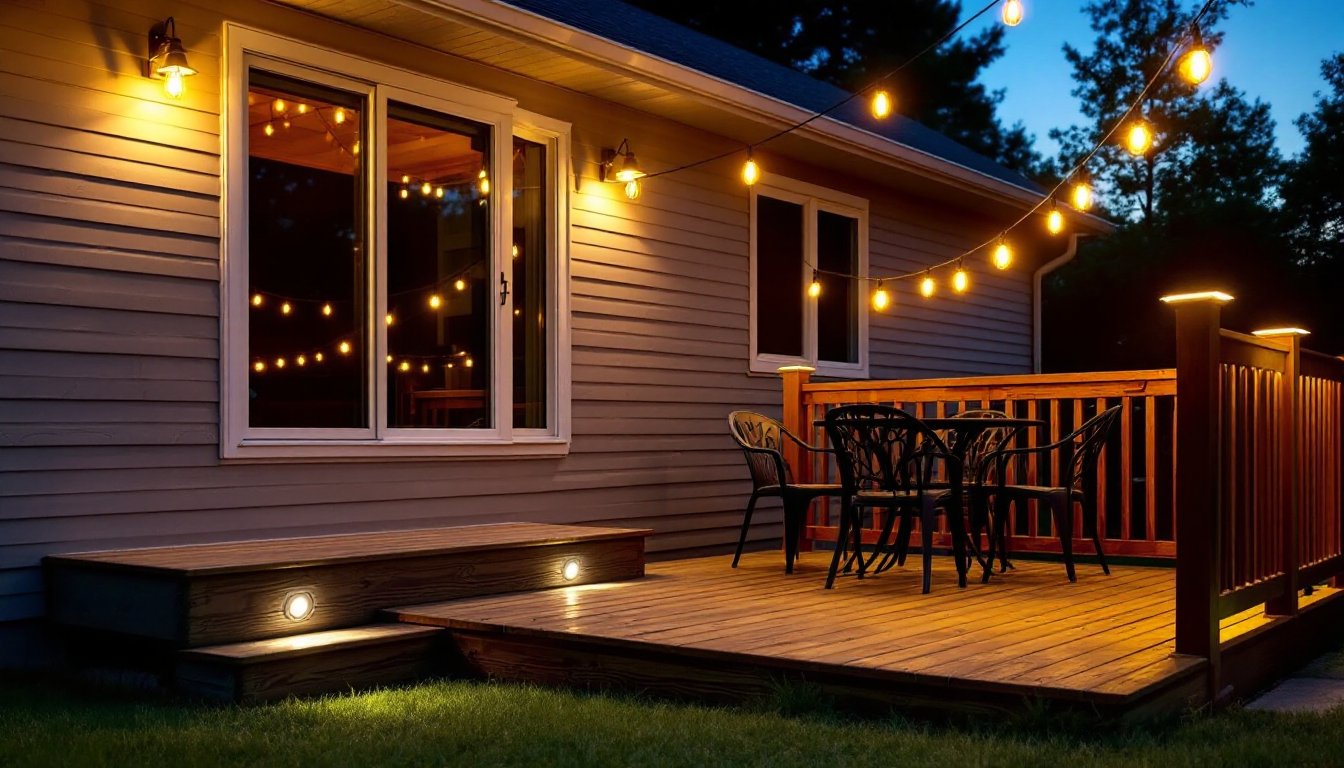
Solar outdoor lighting has come a long way from the dim, disposable pathway markers of a decade ago. Today’s options pack serious brightness, weather resistance, and battery tech that actually lasts through the night. Homeowners looking to light driveways, patios, gardens, or security zones can now rely on solar without the hassle of trenching for wiring or watching the electric bill climb. The technology has matured, better photovoltaic cells, longer-lasting lithium batteries, and smarter sensors mean fewer compromises. This guide covers what matters when choosing solar lights and which types work best for specific outdoor applications.
Table of Contents
ToggleKey Takeaways
- Best outdoor solar lighting requires no wiring, zero operating costs, and installs in minutes—making it ideal for renters and DIYers without electrical experience.
- Modern solar lights with monocrystalline panels and lithium-ion batteries deliver 300–1,000+ lumens for security applications and rival traditional wired systems in performance.
- Match brightness (lumens) to your need: pathway lights need 10–50 lumens, patios need 50–200 lumens, and security zones need 300–1,000+ lumens for optimal outdoor solar lighting.
- Solar panels require 6–8 hours of direct daily sunlight and regular cleaning to maintain 20–30% efficiency loss from dust and debris.
- Choose fixtures with replaceable batteries rated 2,000+ mAh and IP65+ water resistance to ensure longevity beyond 5+ years of year-round outdoor use.
- Position motion sensors 8–10 feet high and angled downward for best detection range, while using shielded fixtures to avoid creating nuisance glare for neighbors.
Why Choose Solar Lighting for Your Outdoor Spaces
No wiring required is the biggest draw. Installing low-voltage landscape lighting means burying cable, connecting transformers, and often hiring an electrician if code requires it. Solar fixtures install in minutes, stake them in the ground or mount them to a wall, and they’re live. That’s a game-changer for renters, DIYers without electrical experience, or anyone adding lights to a remote corner of the property.
Operating cost drops to zero once the fixture is in place. Solar panels charge onboard batteries during the day: LEDs draw from that stored power at night. No meter spin, no monthly line item. Over a few seasons, the upfront cost gap between solar and wired lighting narrows, especially when factoring in installation labor.
Flexibility and portability matter more than most people expect. Seasonal needs shift, holiday decorations, summer garden parties, winter walkway safety, and solar lights move with them. Repositioning a wired fixture means cutting power, rerouting cable, and patching landscaping. Solar units lift and replant in under a minute.
Resilience during outages is an overlooked benefit. Grid power fails: solar lights keep running as long as the battery holds charge. For security lighting or safe egress during storms, that independence has real value.
The trade-off used to be performance. Early solar lights were dim and unreliable. Modern units with monocrystalline panels and lithium-ion or LiFePO₄ batteries have closed that gap. Lumens now rival low-voltage systems, and runtime regularly exceeds eight hours on a full charge.
Key Features to Consider When Buying Solar Outdoor Lights
Not all solar lights are built the same. Understanding the specs separates functional fixtures from junk that dies after one season.
Brightness and Lumens
Lumens measure light output, not watts. A 10-watt LED means nothing without knowing its efficacy. For context:
- Pathway and accent lights: 10–50 lumens per fixture creates ambient glow without glare.
- Patio and deck lighting: 50–200 lumens offers enough light for conversation and movement.
- Security and floodlights: 300–1,000+ lumens illuminates driveways, entryways, or vulnerable zones.
Cheap fixtures exaggerate lumen ratings. Cross-check user reviews and look for third-party certifications when available. Color temperature also matters, 3,000K gives warm white suitable for entertaining areas: 5,000K–6,000K is daylight white preferred for security applications where color accuracy helps identify details.
Adjustable brightness modes extend battery life. Some models offer motion-activated boost (low standby, high on detection) or timer functions that dim after midnight. These features stretch runtime and reduce light pollution.
Battery Life and Charging Time
Battery capacity determines how long lights run after sunset. Most solar fixtures use rechargeable batteries rated in milliamp-hours (mAh). Expect at least 2,000 mAh for reliable all-night performance: better units hit 3,000–4,000 mAh.
Lithium-ion and lithium iron phosphate (LiFePO₄) batteries outperform older nickel-metal hydride (NiMH) chemistry. They charge faster, tolerate temperature swings, and maintain capacity through more cycles, critical for year-round outdoor exposure.
Charging time depends on panel size and sunlight hours. A quality fixture with a 5-watt or larger monocrystalline panel fully charges in 6–8 hours of direct sun. Cheaper polycrystalline panels or undersized cells take longer and underperform in cloudy climates. If the installation site gets partial shade, oversize the panel or choose a model with a remote solar array connected by cable.
Replaceable batteries are a must. Even the best cells degrade after 500–1,000 cycles. Fixtures with sealed, non-replaceable batteries become landfill once capacity fades.
Top Types of Outdoor Solar Lighting for Different Needs
Matching fixture type to function saves frustration.
Solar path lights line walkways and garden beds. Most produce 10–30 lumens per stake, installed 6–10 feet apart for continuous guidance. Look for durable stakes, flimsy plastic bases crack in freeze-thaw cycles. Metal or reinforced composite stakes last longer. Replaceable rechargeable AA or AAA batteries make maintenance simple.
Solar spotlights and accent lights highlight trees, architectural features, or signage. Adjustable heads and higher lumen output (50–200 lumens) let homeowners direct focus. Units with separate solar panels on stakes or wall mounts work well in shaded planting areas: run the panel in sun, the light in shade.
Solar deck and step lights mount flush or recessed into railings, risers, and posts. Low-profile designs minimize tripping hazards. Verify IP rating, IP65 or higher ensures water and dust resistance. Stainless steel or powder-coated aluminum housings resist corrosion better than plastic.
Solar security and motion-sensor floodlights cover driveways, garages, and entry doors. Quality models deliver 500–1,200 lumens on detection, with adjustable sensitivity and duration. Dual-head designs spread coverage across 180–270 degrees. Mount height and angle affect detection range, install 8–10 feet high, angled down, for best results. Be aware: bright security lights pointed toward neighbors’ windows create nuisance: aim carefully and use shielded fixtures if necessary.
Solar string and decorative lights add ambiance to patios and pergolas. LED string sets draw minimal power, allowing all-night runtime from modest batteries. Check strand length and bulb spacing to match the area. Some sets offer timer modes or remote control.
Solar post cap lights fit standard 4×4 or 6×6 fence and deck posts. They provide subtle top-down illumination, defining boundaries and preventing toe-stubbing at night. Choose models with metal or tempered glass lenses: plastic yellows and cracks under UV exposure.
How to Maximize Performance and Longevity of Solar Lights
Even the best solar lights underperform without proper installation and care.
Site selection is critical. Solar panels need at least 6–8 hours of direct sunlight daily for full charge. Roof overhangs, tree canopy, and building shadows all cut output. Before permanent installation, set fixtures in place for a few days and monitor performance. If lights dim early or don’t turn on, move the panel to a sunnier spot or choose a model with a detachable, relocatable panel.
Clean panels regularly. Dust, pollen, bird droppings, and leaf litter block sunlight. Wipe panels monthly with a damp microfiber cloth. In high-pollen or dusty areas, increase frequency. A dirty panel can lose 20–30% efficiency.
Check and replace batteries as needed. Most rechargeable cells last 1–3 years depending on climate and usage. If runtime drops noticeably, swap batteries before winter. Use the same chemistry and capacity spec, mixing types shortens life and risks leakage.
Protect fixtures in extreme weather. While most solar lights are weatherproof (IP65 or IP67 rated), severe ice, heavy snow, or hurricane-force winds can damage housings and panels. In harsh climates, bring portable units indoors during off-season or anchor them securely. Clear snow off panels promptly: even an inch reduces charge.
Adjust settings seasonally. Motion sensors and timers should reflect daylight hours. In summer, lights may not activate until 9 p.m.: in winter, they might turn on by 5 p.m. Some models auto-adjust: others require manual tweaking.
Upgrade when technology leaps. Solar lighting improves fast. If fixtures are more than five years old and underperforming, replacement often beats repair. Newer models with better panels and batteries can double the performance of older units at similar or lower cost.
Conclusion
Solar outdoor lighting has matured into a legitimate, performance-driven option for most residential applications. Homeowners gain installation flexibility, zero operating cost, and resilience, without trenching or hiring an electrician. Success comes down to matching fixture type to need, prioritizing quality components like monocrystalline panels and lithium batteries, and maintaining clean panels with adequate sun exposure. When chosen and installed correctly, today’s solar lights deliver reliable illumination season after season.