AMP Lighting has carved out a reputation among landscape contractors and serious DIYers for rugged, long-lasting outdoor lighting fixtures that don’t quit after two seasons. Unlike mass-market solar stakes or bargain-bin path lights, AMP systems use low-voltage wiring and commercial-grade components built to handle weather extremes, from desert heat to coastal salt spray. For homeowners ready to move beyond basic uplighting and create layered outdoor scenes, highlighting architecture, illuminating walkways, and adding depth to gardens, AMP offers a middle ground between big-box kits and fully custom installs that require an electrician’s license. This guide walks through what sets AMP apart, how to choose and install their products, and how to keep the system running efficiently for years.
Table of Contents
ToggleKey Takeaways
- AMP landscape lighting systems use durable low-voltage technology with commercial-grade brass, copper, and stainless steel components that resist corrosion and last 15–20+ years, far outlasting mass-market alternatives.
- Professional AMP landscape lighting can recover 50–100% of installation costs in resale value by enhancing curb appeal through layered uplighting, path lights, and accent fixtures.
- Low-voltage LED fixtures consume 75% less energy than halogen equivalents while lasting 25,000–50,000 hours, keeping annual electricity costs around $45–$60 for typical systems.
- DIY installation of AMP systems requires basic planning, wire-running skills, and proper connections; most jurisdictions don’t require permits for low-voltage outdoor lighting.
- Regular maintenance—cleaning lenses annually, checking connections every 12–18 months, and monitoring voltage—keeps AMP landscape lighting systems operating at peak brightness for decades.
What Is AMP Landscape Lighting?
AMP Lighting is a U.S.-based manufacturer specializing in low-voltage landscape lighting systems designed for durability and professional-grade performance. Their product line includes path lights, spotlights, well lights, hardscape fixtures, and transformers, all engineered to operate on 12-volt or 15-volt systems rather than standard 120-volt household current. This lower voltage reduces shock hazards and simplifies DIY installation, since most jurisdictions don’t require permits for low-voltage outdoor lighting (always verify local codes).
What distinguishes AMP from competitors is materials and build quality. Fixtures are constructed from solid brass, copper, and marine-grade stainless steel, not painted aluminum or plastic housings that corrode or crack. Lenses are tempered glass, and many models use tool-free lamp replacement with twist-lock sockets. The company also offers proprietary integrated LED fixtures with sealed housings that eliminate bulb changes entirely.
AMP systems use a hub-and-spoke layout: a central transformer steps down household voltage to 12V or 15V, then distributes power through buried direct-burial wire (typically 12-gauge or 14-gauge copper) to individual fixtures. Transformers range from 150 watts to 1200 watts and include features like photocells, timers, and multi-tap outputs to balance voltage drop across long runs. This modular approach lets homeowners start small, say, a path lighting kit, and expand over time without ripping out existing wiring.
Key Benefits of AMP Landscape Lighting Systems
Enhanced Curb Appeal and Property Value
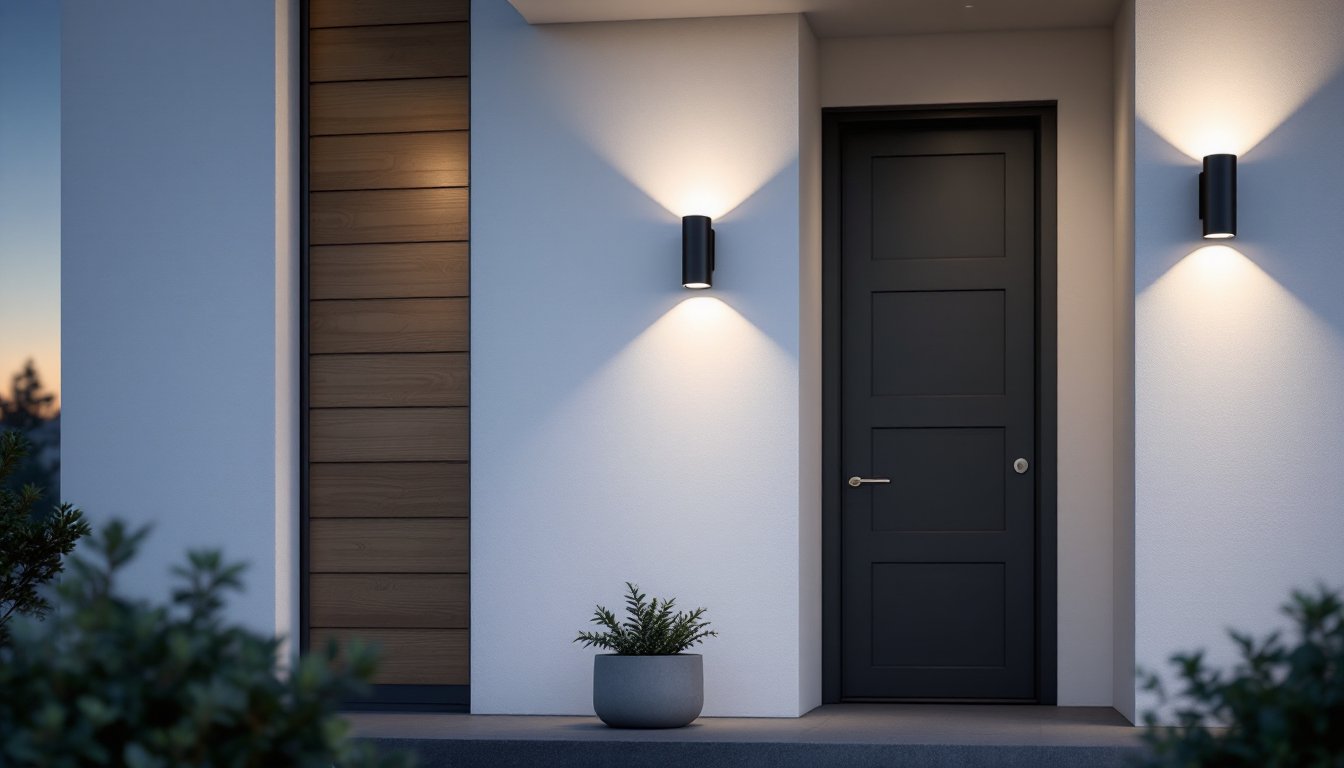
Professional landscape lighting creates visual layers that make properties stand out after dark. Uplighting washes light across façades or mature trees, adding dimension. Path lighting guides visitors safely while defining walkways and garden edges. Accent fixtures in flower beds or near water features draw the eye to focal points. According to the National Association of Home Builders, quality landscape lighting can recover 50–100% of installation costs in resale value, especially in markets where outdoor living spaces are prized.
AMP’s fixtures deliver consistent color temperature (warm whites in the 2700K–3000K range are standard), avoiding the harsh, bluish glare common in cheap LEDs. Beam spreads are engineered for specific tasks: narrow 10-degree spots for tree canopies, wide 60-degree floods for broad wall washes, and shielded path lights that direct light downward to prevent glare. This precision keeps lighting functional, not gimmicky.
Energy Efficiency and Longevity
Low-voltage LED systems sip power. A typical 3-watt LED path light draws about 25% of the energy of an equivalent 12-watt halogen bulb and lasts 25,000–50,000 hours versus 2,000–4,000 for halogen. For a 200-watt system running six hours nightly, annual electricity costs hover around $45–$60, depending on local rates.
AMP’s use of solid metals and sealed optics extends fixture life well beyond the LED modules themselves. Brass and copper develop a natural patina that resists corrosion: stainless hardware won’t seize. The company backs most products with 15-year warranties on housings and 5-year warranties on integrated LEDs. Contrast that with plastic fixtures that crack in freeze-thaw cycles or corrode at connection points within 18 months.
Transformers include thermal overload protection and weatherproof enclosures rated NEMA 3R, meaning they handle rain and sleet but should be mounted under eaves or in protected alcoves. Photocells and astronomic timers automate operation, so lights switch on at dusk without manual intervention, saving energy and eliminating the “forgot to turn them off” waste.
Popular AMP Landscape Lighting Products and Features
AMP’s catalog breaks down into several fixture families, each suited to specific applications:
- Path Lights: Available in traditional stake-mount or surface-mount styles. Most use 3W or 5W LED modules and include glare shields or louvered lenses. The PL-Series offers tool-free bulb access and adjustable stakes for uneven terrain.
- Spotlights (Bullet Lights): Compact, adjustable fixtures for uplighting trees, flags, or architectural details. Beam spreads range from 10° to 60°. The SL-Series includes integrated LEDs with color-selectable outputs (2700K, 3000K, or 4000K) via a switch inside the housing.
- Well Lights: In-ground fixtures with cast-brass housings and tempered glass lenses, rated for vehicle loads when needed (check IP68 ratings). Ideal for uplighting columns or washing walls from grade level.
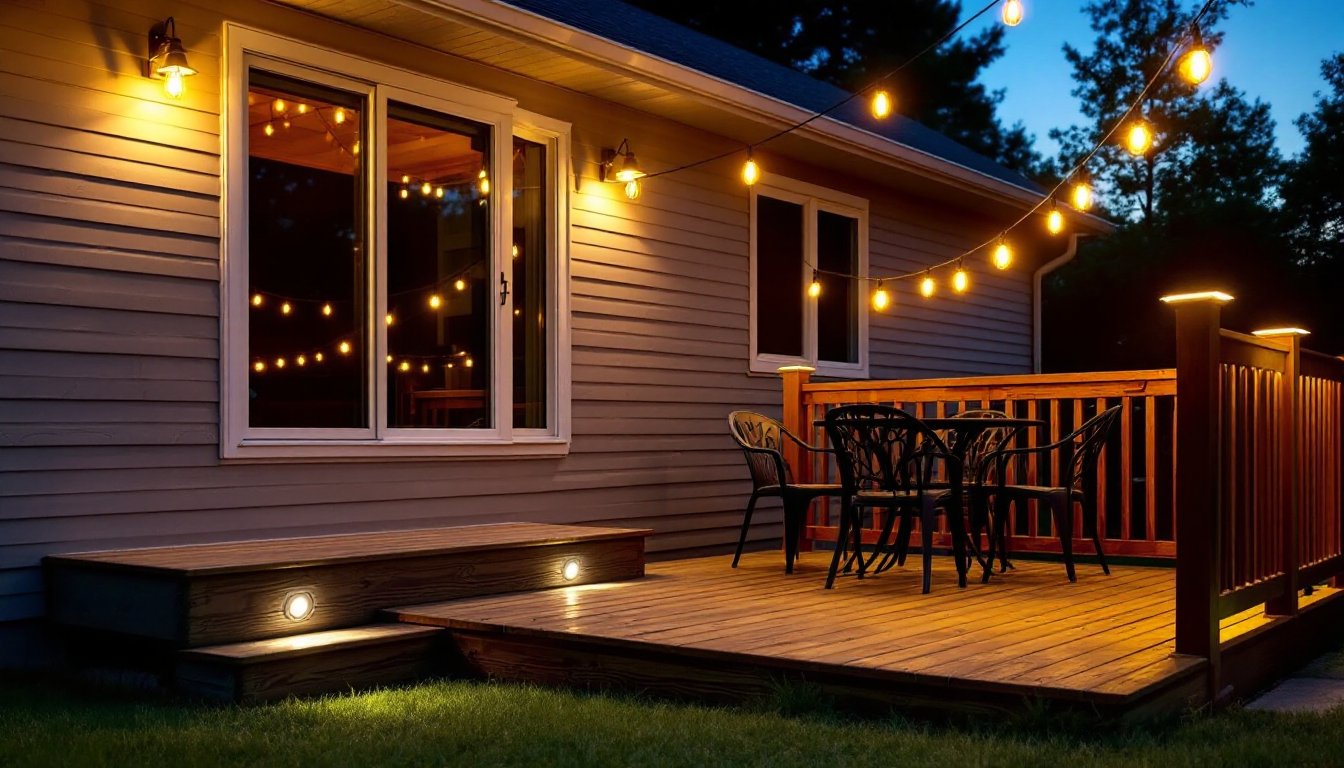
- Hardscape Lights: Low-profile fixtures designed for installation in retaining walls, steps, or deck posts. Many models use side-emitting LEDs to graze surfaces without hotspots.
- Transformers: Multi-tap models (12V, 13V, 14V, 15V outputs) let installers compensate for voltage drop on long wire runs. Built-in timers, photocells, and Wi-Fi controls (on select models) enable smart scheduling and dimming.
Notable features across the line include tool-free lamp access (twist caps rather than Allen screws), proprietary quick-connect wiring terminals that reduce splicing time, and modular optics that swap out without replacing the entire fixture. For coastal or high-humidity climates, AMP offers marine-grade stainless and powder-coated finishes that outlast raw brass.
Installation Considerations for AMP Lighting Systems
Most AMP systems are DIY-friendly if you’re comfortable running wire and making basic electrical connections. Here’s the workflow:
-
Plan the Layout: Sketch fixture locations on graph paper or use AMP’s online design tool. Group fixtures into zones (paths, uplights, accents) to simplify transformer wiring and future troubleshooting. Measure runs from the transformer to the farthest fixture, voltage drop becomes an issue beyond 100 feet on 12-gauge wire. Use AMP’s voltage-drop calculator or bump up to 10-gauge wire for long runs.
-
Install the Transformer: Mount near a GFCI-protected outdoor outlet or have an electrician add a dedicated circuit. The transformer’s 120V input must be hard-wired or plug-connected: extension cords aren’t code-compliant. Position it in a spot that’s accessible for timer adjustments but out of direct spray from sprinklers.
-
Run Low-Voltage Wire: Use direct-burial cable rated for wet locations (UF or landscape lighting cable). Bury at least 6 inches deep in planting beds, 12–18 inches under turf or driveways (verify local codes, some jurisdictions require conduit). Route along fence lines, under mulch, or behind hardscape to keep it hidden.
-
Connect Fixtures: AMP’s quick-connect terminals crimp onto the main wire without cutting it, creating a parallel circuit where each fixture taps the home run. Strip about ½ inch of insulation, insert the wire, and tighten the set screw. Avoid daisy-chaining fixtures, it compounds voltage drop and complicates troubleshooting.
-
Test and Adjust: Power up the system at dusk. Walk the property with a multimeter to check voltage at each fixture: aim for 10.8V–12V (or the corresponding range for 15V systems). If distant fixtures are dim, move them to a higher-tap output on the transformer or upgrade wire gauge.
Safety notes: Wear gloves and eye protection when cutting wire or handling fixtures with sharp edges. If the project involves digging near existing utilities, call 811 for locates. Low voltage is safer than 120V, but short circuits can still overheat wiring and start fires, use proper connectors and waterproof splices.
Permit check: Most locales treat low-voltage landscape lighting as an accessory use that doesn’t require permits. If you’re adding a new 120V circuit or outlet for the transformer, that likely does. Consult your local building department before trenching.
Maintenance Tips to Keep Your AMP Lights Performing
Once installed, AMP systems need minimal upkeep, but a little attention keeps them running at full brightness:
- Clean Lenses Annually: Dirt, pollen, and mineral deposits from sprinklers reduce output by 20–30%. Wipe glass lenses with a damp microfiber cloth and mild detergent. Avoid abrasive cleaners that scratch.
- Check Connections: Every 12–18 months, inspect wire splices and terminal blocks for corrosion. Green patina on copper is normal, but white or powdery buildup indicates moisture intrusion. Re-strip wire ends and apply dielectric grease to terminals.
- Trim Vegetation: Plants grow. A path light that cleared foliage in Year 1 might be buried by Year 3. Prune back shrubs and adjust fixture stakes to maintain intended beam angles.
- Monitor Voltage: If lights dim over time, measure voltage at the farthest fixture. Voltage drop worsens as connections age. Tighten terminals, upgrade wire, or redistribute fixtures across transformer taps.
- Replace LEDs (If Applicable): Integrated LED fixtures eventually fade. AMP’s modules typically last 15–20 years in residential use. When replacement is needed, the entire lamp assembly swaps out, no rewiring required.
- Winterize in Freezing Climates: While AMP fixtures handle freeze-thaw cycles, unplug transformers if the system won’t be used all winter. Moisture in terminals can freeze and crack housings.
For fixtures in coastal or high-chlorine pool areas, rinse them monthly with fresh water to prevent salt or chemical buildup. Marine-grade components resist corrosion, but preventive rinsing extends their already long lifespan.
If a fixture stops working, troubleshoot methodically: test voltage at the transformer, then at the first fixture, then the problem light. Most failures trace to loose connections or a tripped photocell, not bad LEDs. AMP’s modular design means you can swap components without replacing the entire fixture, one reason contractors and DIYers alike favor the brand for long-term landscape lighting projects.