Fort Lauderdale homeowners know the value of outdoor space. With year-round warm weather and outdoor entertaining built into the lifestyle, properties don’t shut down after sunset. Strategic landscape lighting extends usable hours, enhances curb appeal, and adds a critical layer of security. In a market where first impressions matter and coastal conditions test every material, professional lighting design isn’t decorative, it’s functional infrastructure. This guide breaks down what works in South Florida’s climate, what typical installations involve, and how to find contractors who understand the unique demands of Fort Lauderdale properties.
Table of Contents
ToggleKey Takeaways
- Professional landscape lighting in Fort Lauderdale extends outdoor entertaining hours, enhances curb appeal, and adds security while protecting against salt air, humidity, and UV exposure that degrade standard fixtures.
- Quality landscape lighting can add 15-20% to perceived home value during evening showings, making it a smart investment beyond just aesthetics.
- LED technology with marine-grade aluminum or brass construction and IP65+ ratings are essential for South Florida’s climate; avoid plastic housings and zinc alloys that corrode quickly in salt air.
- Professional installation typically takes 1-3 days and involves site assessment, proper transformer sizing, buried cable routing, fixture mounting, and system testing to ensure code compliance and safety.
- Licensed landscape lighting specialists understand photometrics and local Fort Lauderdale conditions better than general contractors, with typical single-family installations costing $3,000-$8,000 for 15-25 fixtures.
- Maintenance plans with annual service visits are critical for landscape lighting systems in Fort Lauderdale, as plants grow, fixtures settle, and coastal conditions continuously test outdoor installations.
Why Fort Lauderdale Homes Need Professional Landscape Lighting
South Florida presents specific challenges that weekend DIY kits don’t address. Salt air accelerates corrosion on fixtures and wiring. Humidity and intense UV exposure degrade cheap plastics and inferior seals within months. A professionally designed system accounts for these conditions with marine-grade materials, sealed junction boxes, and corrosion-resistant finishes.
Security is another factor. Fort Lauderdale’s waterfront and high-value residential areas benefit from well-lit entryways, driveways, and side yards that eliminate dark zones without creating glare that disturbs neighbors. Motion-activated lights paired with low-level pathway illumination strike the right balance.
Professional installers also handle electrical code compliance. Low-voltage systems (12V or 24V) are standard for landscape lighting and don’t require permits in most cases, but improper installation can still create fire hazards or void homeowner’s insurance. Licensed contractors ensure transformers are sized correctly, wiring is rated for direct burial or conduit use, and GFCI protection is in place.
Finally, property value matters. Quality landscape lighting can add 15-20% to perceived home value during evening showings. Buyers notice well-lit palms, architectural details picked out with uplighting, and inviting walkways, details that signal a well-maintained property.
Popular Landscape Lighting Solutions for South Florida Properties
Pathway and Walkway Lighting
Path lights guide foot traffic and reduce trip hazards on pavers, shell paths, and irregular terrain common around tropical landscaping. Fixtures should sit 18-24 inches off the ground and spaced 8-10 feet apart for even coverage without light pooling.
For Fort Lauderdale properties, look for fixtures with sealed LED modules (not replaceable bulbs that let moisture in) and powder-coated aluminum or solid brass construction. Plastic housings crack under UV exposure within a year. Contractors often recommend 3000K warm white LEDs that complement Florida’s lush greens without the harsh blue cast of cooler temperatures.
Bollard lights work well along driveways and around pools where higher, more visible fixtures prevent accidental contact. Many HOAs in gated communities have height and style restrictions, so check covenants before installation.
Accent and Feature Lighting
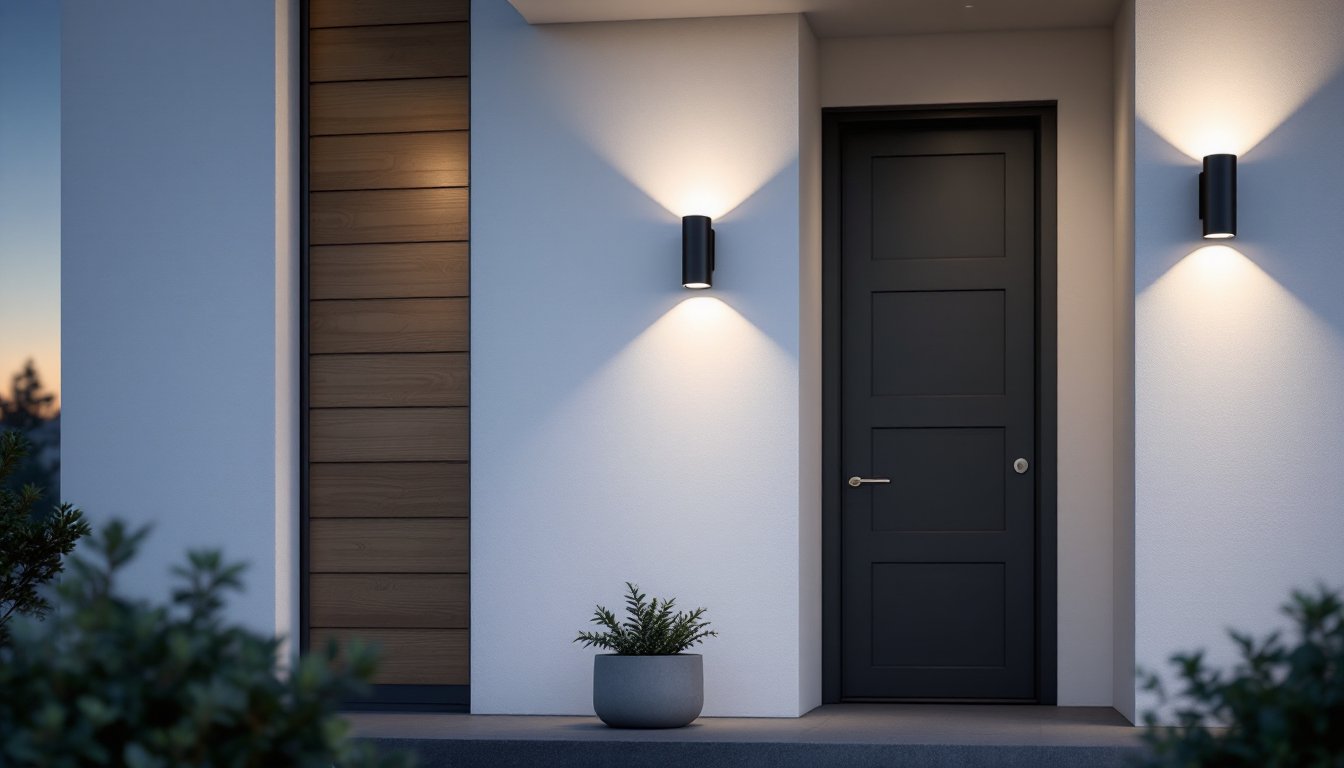
Uplighting transforms palms, banyan trees, and architectural columns. Fixtures installed at the base cast light upward, creating dramatic shadows and highlighting texture. Use narrow beam angles (10-20°) for tall palms and wider floods (40-60°) for spreading canopies.
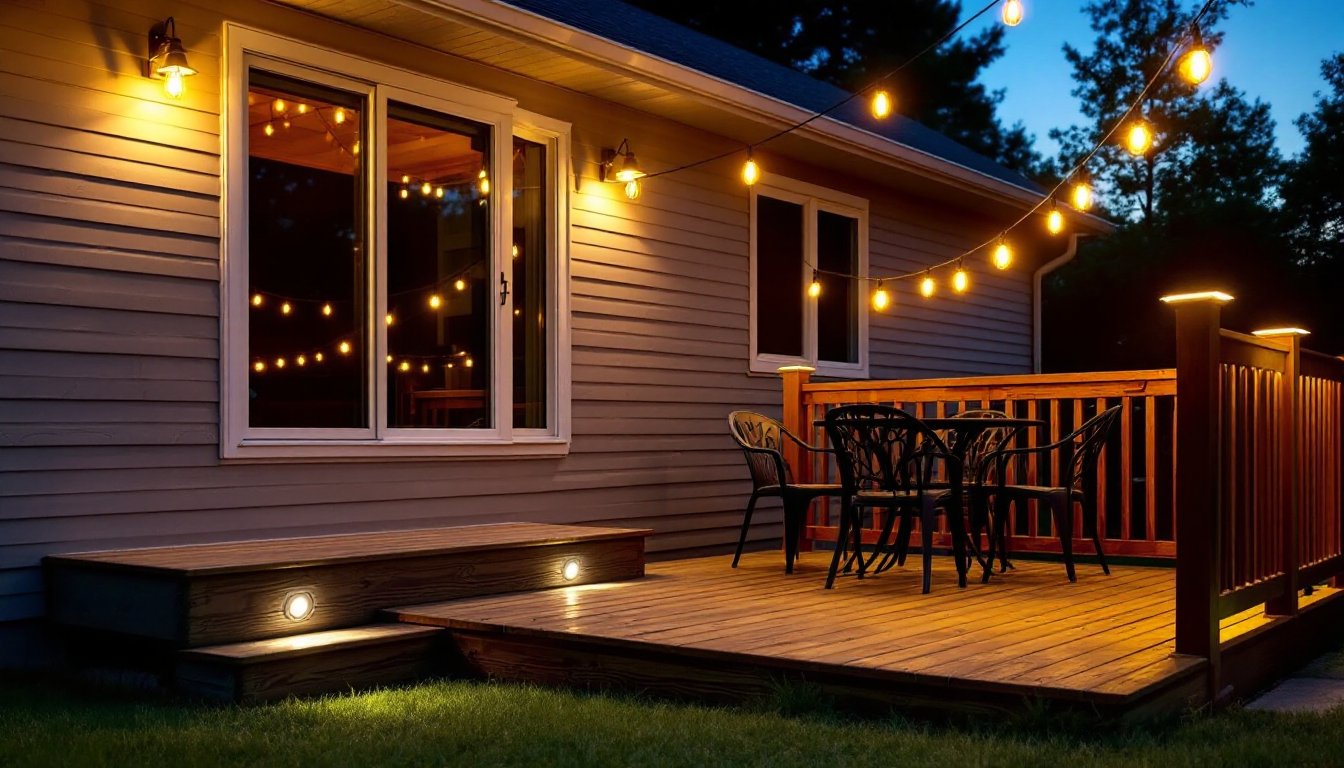
Downlighting from trees or eaves mimics moonlight and works well over patios, seating areas, and pool decks. Fixtures must be rated for wet locations and securely mounted, Florida storms will test anything installed overhead.
Grazing and washing techniques highlight stucco walls, stone veneers, and water features. Grazing (light angled close to the surface) emphasizes texture: washing (light angled farther back) provides smooth, even coverage. Both require precise fixture placement, which is why professionals use mockups before finalizing locations.
Dock and seawall lighting deserves special mention in Fort Lauderdale. Marine-rated fixtures with saltwater-resistant seals are mandatory. Many municipalities restrict light spillage over water to protect nesting sea turtles, so shielded, downward-facing fixtures are often required along coastal properties.
Choosing the Right Landscape Lighting for Fort Lauderdale’s Climate
LED technology is non-negotiable in South Florida. LEDs handle heat and humidity better than halogens, draw less power (critical when transformers run nightly), and last 25,000-50,000 hours. That’s 10-15 years of daily use before module replacement.
Fixture materials matter more here than in dry climates. Die-cast aluminum, solid brass, and marine-grade stainless steel resist corrosion. Avoid zinc alloy bodies marketed as “metal”, they corrode quickly in salt air. Powder-coated finishes hold up better than painted surfaces, and textured finishes hide salt deposits better than polished ones.
IP ratings (Ingress Protection) tell you what a fixture can handle. Look for IP65 or higher for South Florida installations. IP65 means dust-tight and protected against water jets, sufficient for most landscape use. Fixtures near pool spray or irrigation should be IP67 or IP68 (submersion-rated).
Cable and connectors also need attention. Direct-burial cable (not standard landscape wire with flimsy insulation) prevents moisture intrusion. Contractors should use silicone-filled wire connectors rather than twist caps, which fail in humid environments. Transformers belong in sheltered locations with ventilation, garage walls or covered utility areas, not exposed to rain.
Smart controls and timers add convenience but require weatherproof installation. Photocells that auto-adjust for sunrise/sunset work well in Fort Lauderdale’s consistent daylight patterns. Wi-Fi-enabled systems allow remote adjustments but need reliable outdoor networking, which can be tricky with thick stucco walls.
What to Expect: The Landscape Lighting Installation Process
Professional installation typically takes 1-3 days depending on property size and complexity. Here’s the standard workflow:
1. Site Assessment and Design
The contractor walks the property at dusk to identify key features, traffic patterns, and existing electrical access. They’ll sketch fixture locations, suggest beam angles, and provide a lighting plan. Expect mockups using temporary fixtures for high-end projects, this prevents costly repositioning after installation.
2. Transformer Sizing and Placement
Transformers convert 120V household current to 12V or 24V for landscape fixtures. Sizing depends on total wattage: a 300-watt transformer handles about 25-30 LED path lights. Placement should be within 100 feet of fixtures to minimize voltage drop. Contractors install transformers near existing outdoor outlets or run dedicated circuits if needed (requires a permit and licensed electrician).
3. Cable Layout and Trenching
Low-voltage cable runs are buried 6-12 inches deep in trenches or slipped under mulch and sod. Contractors use trenching spades or edge cutters to minimize landscape disruption. Cable routes avoid irrigation lines and root zones of major trees. Junction boxes at branch points should be accessible for future maintenance.
4. Fixture Installation
Fixtures get mounted with ground stakes, flush-mounted into hardscape, or bolted to walls depending on type. All connections are sealed and tested. Contractors adjust aim and check for glare at neighbor sightlines before finalizing positions.
5. System Testing and Programming
After installation, the system runs through a full cycle. Timers or smart controls are programmed, and homeowners receive a walkthrough covering manual overrides, troubleshooting, and maintenance intervals.
Finding the Best Landscape Lighting Professionals in Fort Lauderdale
Start with contractors who specialize in landscape lighting, not general electricians or landscapers who install lights as a side service. Specialists understand photometrics, beam control, and fixture performance in ways that generalists don’t.
Look for licensed and insured contractors. Florida requires electrical contractors to hold state licenses (EC or ER classification). Even though low-voltage work doesn’t always trigger permit requirements, licensed pros carry liability coverage and understand code.
Ask for local references and site visits. Fort Lauderdale has distinct microclimates, beachfront properties face different challenges than inland estates. Contractors experienced with local conditions know which fixtures hold up and which fail.
Warranties matter. Quality installations include fixture warranties (typically 5-10 years for LEDs and housings) and workmanship guarantees (1-2 years minimum). Clarify what’s covered: some warranties exclude saltwater corrosion or storm damage.
Get itemized quotes that break out fixtures, transformers, cable, labor, and any electrical work requiring permits. Per-fixture pricing lets you compare apples-to-apples between contractors. Expect to pay $3,000-$8,000 for a typical single-family installation with 15-25 fixtures, more for waterfront estates with extensive tropical landscaping.
Finally, ask about maintenance plans. Even quality systems need periodic adjustments as plants grow, fixtures settle, and landscape changes. Annual service visits (cleaning lenses, checking connections, adjusting aim) keep systems performing and extend lifespan.