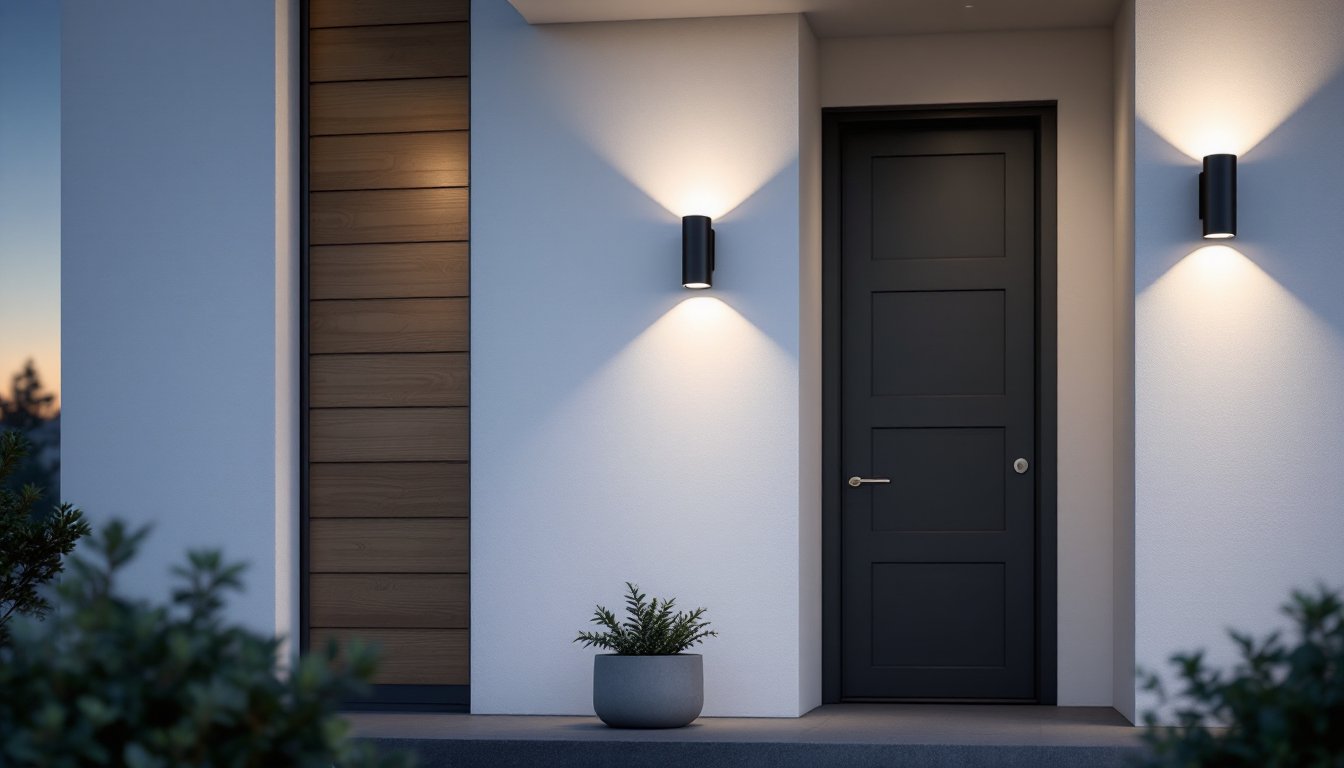
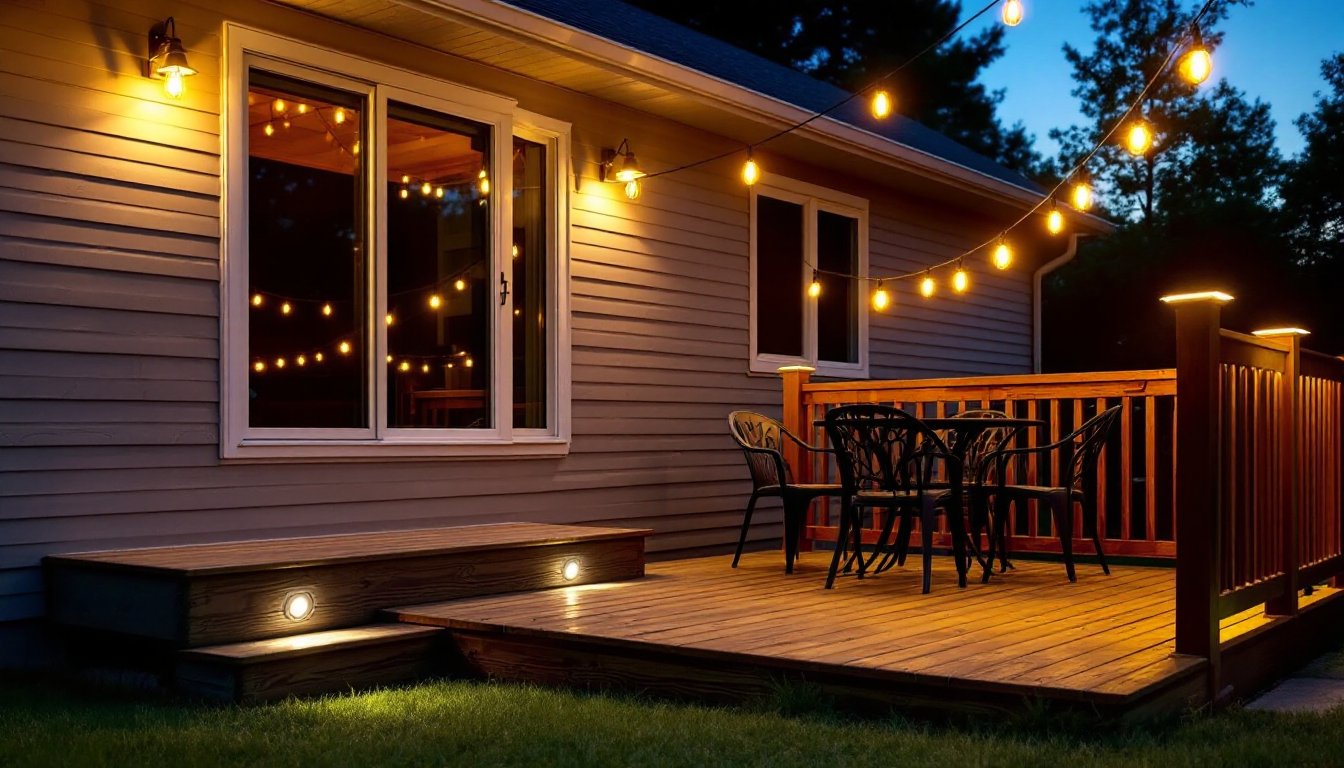
Outdoor landscape lighting kits have evolved dramatically over the past few years, and low voltage systems now dominate the residential market for good reason. These setups run on 12 volts instead of standard household current, making them safer to install, easier to troubleshoot, and significantly cheaper to operate. Homeowners who want to illuminate walkways, accent architectural features, or add safety lighting around decks and patios no longer need an electrician for most installations. With the right components and a solid plan, a complete low voltage landscape lighting system can go in over a weekend, and the results transform how outdoor spaces look and function after dark.
Table of Contents
ToggleKey Takeaways
- Low voltage landscape lighting operates safely at 12 volts, allowing homeowners to install complete systems without an electrician in a single weekend.
- Low voltage led outdoor lighting kits cost significantly less to operate and install than standard 120V systems, with quality bundles starting around $150 for six to eight fixtures.
- Proper transformer sizing requires adding up all fixture wattage and multiplying by 1.25, and cable gauge selection (12 AWG vs. 14 AWG) prevents voltage drop issues on long runs.
- Light layering with path lights, spotlights, and ambient fixtures creates depth while avoiding over-lighting, and cable should be buried 2 to 6 inches deep in a slight S-curve for flexibility.
- Low voltage landscape lighting transformers should include multi-tap outputs and timers or photocells for seasonal adjustment and energy efficiency automation.
What Is Low Voltage Landscape Lighting?
Low voltage landscape lighting operates at 12 volts DC, powered by a transformer that steps down standard 120V household current. This reduced voltage travels through buried or surface-run cables to individual fixtures positioned throughout the yard.
The system consists of three core elements: a plug-in transformer (usually mounted near an outdoor outlet or inside a garage), multi-strand copper cable rated for direct burial or outdoor use, and the light fixtures themselves. Most low voltage led outdoor lighting kits include all three components in a single package, which simplifies the buying process for first-time installers.
Unlike line-voltage systems that require conduit, junction boxes, and often a permit, low voltage setups fall outside most residential electrical codes. That doesn’t mean they’re unregulated, the National Electrical Code (NEC) still covers transformer installation and grounding, but the downstream wiring and fixtures typically don’t require inspection. Homeowners can add, move, or remove lights without calling in a licensed electrician, which dramatically reduces long-term maintenance costs.
Why Choose Low Voltage Over Standard 120V Lighting Systems
Safety tops the list. Twelve volts won’t cause serious shock, even in wet conditions. A homeowner can handle live low-voltage wires with bare hands during troubleshooting, not advisable, but not dangerous. Line-voltage systems demand conduit burial at code-specified depths (often 18 inches or more) and GFCI protection, adding cost and complexity.
Installation speed and flexibility come next. Low-voltage cable can run on the surface under mulch, stapled along fence lines, or buried just a few inches deep. Repositioning a fixture means unplugging a connector and moving it, no rewiring, no breaker shutoffs. This adaptability suits evolving landscapes where plants grow, hardscaping changes, and lighting needs shift season to season.
Energy efficiency matters, especially with LED technology. Low voltage led landscape lighting kits draw a fraction of the power that halogen or incandescent line-voltage fixtures consume. A typical 300-watt transformer can run 20 to 30 LED path lights all night and add only a few dollars to the monthly electric bill. Timers and photocells automate operation, eliminating the need to flip switches.
Cost remains competitive. Quality low voltage landscape lighting kits with transformer bundles start around $150 for six to eight fixtures and scale up based on fixture count and material quality. Comparable line-voltage systems require conduit, weatherproof boxes, and often professional installation, pushing total costs significantly higher.
Essential Components of a Low Voltage Lighting System
A complete system includes the transformer, cable, fixtures, and connectors. Each plays a specific role, and understanding the specs prevents underpowered circuits and voltage drop issues.
Fixtures come in cast aluminum, brass, composite, or plastic housings. Aluminum and brass resist corrosion better than composites, but they cost more. LED bulbs are now standard: they last 25,000 to 50,000 hours and generate minimal heat. Wattage per fixture typically ranges from 1.5W to 5W, though accent and spot fixtures can draw up to 10W.
Cable is multi-strand copper, usually 12 AWG or 14 AWG. Thicker wire (lower gauge number) reduces voltage drop over longer runs. A 100-foot run of 14 AWG cable can lose 2 to 3 volts, which dims fixtures noticeably. For runs over 50 feet, step up to 12 AWG or split the circuit. Direct-burial-rated cable has a thicker jacket that resists moisture and UV damage.
Connectors attach fixtures to the main cable without cutting or stripping. Quick-connect models use a piercing mechanism: twist-on wire nuts and waterproof gel caps also work but require stripping the cable jacket. Quality connectors prevent corrosion, which is the leading cause of fixture failure in buried systems.
Transformers and Power Requirements
Transformers convert 120V AC to 12V DC and come in wattage ratings from 50W to 600W or more. To size a transformer, add up the wattage of all planned fixtures and multiply by 1.25 to allow headroom, running a transformer at full capacity shortens its lifespan. A system with fifteen 3W LED fixtures (45W total) needs at least a 60W transformer, though a 100W or 150W unit provides room for future expansion.
Most transformers include a built-in timer, photocell, or both. Mechanical timers use rotating pins and work reliably but lack seasonal adjustment. Digital timers and smart transformers adjust automatically for sunrise and sunset, and some integrate with home automation systems via Wi-Fi. Look for transformers with multiple taps (common, 12V, 13V, 14V, 15V), which let installers compensate for voltage drop on long cable runs by boosting output slightly.
Transformers mount outdoors in weatherproof enclosures or indoors near a GFCI-protected outlet. The NEC requires GFCI protection for outdoor receptacles, so most setups already meet this requirement. If mounting outside, ensure the enclosure is rated NEMA 3R or better for rain resistance.
Popular Types of Low Voltage Landscape Lights
Path lights line walkways and driveways, providing downward illumination. They range from 18 inches to 36 inches tall. Shorter fixtures create subtle pools of light: taller ones spread light wider but can cause glare if placed too close to eye level. Spacing them 8 to 10 feet apart usually works, but adjust based on fixture brightness and desired effect.
Spotlights and floodlights accent trees, architectural features, and garden focal points. Adjustable stakes or mounts let homeowners change the angle as plants grow. Narrow beam spots (15 to 30 degrees) highlight specific elements: wide floods (60 degrees or more) wash walls or large shrubs. Wattage typically runs 3W to 10W for LED models.
Well lights install flush with the ground and aim upward, often used to uplight tree canopies or columns. They require a recessed housing that drains water and a sturdy grate to prevent damage from foot traffic or mowers. Well lights work best in mulched or paved areas, grass grows over them quickly.
Deck and step lights mount into risers, posts, or railings to improve safety on stairs and elevated surfaces. These fixtures are usually compact, low-profile, and rated for direct contact with wood or composite decking. Some codes require stair lighting on exterior steps, so check local requirements.
String and bistro lights have entered the low-voltage market, offering the ambiance of Edison bulbs without the fire risk of line-voltage versions. These kits typically include a transformer, cable, and bulb sockets on a single run. They’re popular for patios and pergolas but generate less light than dedicated task fixtures.
Planning Your Low Voltage Lighting Layout
Start by identifying what needs light: pathways for safety, architectural features for curb appeal, or garden beds for visual interest. Walk the property after dark with a flashlight to simulate fixture placement and beam angles. Mark spots with flags or stakes.
Sketch a plan showing the transformer location, cable routes, and fixture positions. Measure distances to calculate cable length and identify where voltage drop might become an issue. Group fixtures into zones if the system will have multiple circuits or if some areas need independent control.
Calculate total wattage by adding up all fixtures, then size the transformer with a 25% buffer. If the total exceeds a single transformer’s capacity, split the system into two circuits or upgrade to a larger unit.
Consider light layering: combine path lights for safety, spotlights for focal points, and ambient fixtures for overall illumination. Overlapping light sources create depth and reduce harsh shadows. Avoid over-lighting, less is often more in landscape design. Too many fixtures create a cluttered, washed-out look.
Plan cable runs to minimize visible wire. Route cables along fence lines, under mulch, or behind shrubs. Avoid running cable across driveways or high-traffic areas where it might get damaged. Use a single main line with fixtures tapping off at intervals rather than individual home runs from the transformer, which wastes cable and complicates troubleshooting.
Account for future growth. Trees and shrubs change the landscape over time. Position fixtures where they’ll remain effective as plants mature, or plan to adjust angles and relocate lights as needed.
Installation Tips for DIY Success
Mount the transformer first, close to a GFCI outlet and within reach of the main cable run. If installing indoors (in a garage or shed), ensure the cable exits through a weatherproof bushing. Outdoor transformer boxes should be level and secured to prevent tipping or water intrusion.
Lay out the cable along the planned route before burying it. Connect fixtures using the manufacturer’s connectors, don’t improvise with wire nuts unless they’re rated for direct burial and filled with dielectric grease. Test the system before burying anything. Plug in the transformer, check that all fixtures light, and measure voltage at the farthest fixture with a multimeter. It should read between 10.8V and 12V. If it’s below 10.5V, switch to heavier gauge cable or split the circuit.
Bury the cable 2 to 6 inches deep, depending on local frost depth and landscape use. In areas with heavy foot traffic or where soil freezes deeply, go deeper. Lay cable in a slight S-curve rather than stretching it tight, this allows for soil movement and makes future adjustments easier. Mark cable routes on the site plan or take photos for reference during future yard work.
Adjust fixture angles after dark. What looks right during installation often needs tweaking once the system is live. Aim path lights downward to minimize glare. Angle spotlights to graze textures or highlight canopy shapes. Use shielded or hooded fixtures near windows to prevent light trespass into living spaces.
Use proper PPE: gloves protect hands from sharp fixture edges and buried debris, and safety glasses prevent eye injury when working around stakes and tools. If using a trenching tool or edger, wear sturdy boots.
A circuit tester or multimeter helps diagnose voltage drop and confirms connections are solid. These tools cost $15 to $40 and catch problems before they become failures.