Outdoor globe lighting has become the go-to choice for homeowners looking to blend function with classic design. These spherical fixtures deliver diffused, ambient light that softens harsh shadows and creates an inviting atmosphere without the stark glare of directional spotlights. Unlike trendy Edison bulbs or color-changing LEDs that date quickly, globe lights maintain a clean, timeless look that works across architectural styles, from mid-century modern to farmhouse. They’re also practical: most models use energy-efficient LED bulbs, resist weather exposure, and install without running new circuits. For anyone tackling outdoor lighting on a weekend, globe fixtures offer proven reliability and visual appeal that doesn’t demand constant upkeep or reinvention.
Table of Contents
ToggleKey Takeaways
- Outdoor globe lighting offers timeless, versatile design that complements any architectural style while delivering diffused, ambient illumination that eliminates harsh glare.
- Modern LED globe fixtures consume 8–15 watts, produce 600–1,100 lumens, and last 25,000+ hours, cutting energy costs by 75–80% compared to incandescent or halogen predecessors.
- Choose between string lights for overhead ambiance, post globes for boundary definition, and pathway stakes for guided foot traffic—each serves a specific outdoor lighting function.
- Verify IP ratings (IP44 for covered areas, IP65–IP67 for exposed installations) and select corrosion-resistant housings in coastal environments to ensure long-term durability.
- Proper installation requires GFCI protection for line-voltage systems, secure waterproof connections with dielectric grease, and seasonal maintenance like cleaning and gasket inspection to maximize fixture lifespan.
- Layer different heights of globe lights—from 18-inch pathway stakes to 4–5 foot post globes—to create visual depth and prevent monotonous lighting while guiding safe navigation.
What Is Outdoor Globe Lighting and Why Is It So Popular?
Outdoor globe lighting refers to spherical or near-spherical fixtures designed for exterior use. The globe shape diffuses light in all directions, reducing hot spots and creating even illumination across patios, walkways, and garden beds. Most globe lights feature UV-stabilized polycarbonate or acrylic diffusers that resist yellowing and cracking under sun exposure, paired with weather-sealed housings rated IP44 or higher for wet locations.
The popularity stems from versatility. Globe lights scale easily, small 6-inch spheres work for intimate pathways, while 12- to 16-inch globes make statement pieces on posts or pillars. They suit both traditional and contemporary settings because the simple geometry doesn’t compete with architectural details. Homeowners also appreciate the plug-and-play installation of string globe lights, which require no hardwiring or permit in most jurisdictions (always check local electrical codes for permanent fixtures).
Another driver is LED adoption. Modern globe fixtures typically use integrated LEDs or standard E26 LED bulbs drawing 8–15 watts while producing 600–1,100 lumens, enough to light a seating area without washing out conversation or stargazing. Compared to incandescent or halogen predecessors, LEDs run cooler, last 25,000+ hours, and cut energy costs by 75–80%. For DIYers managing multiple fixtures, that translates to fewer bulb changes and lower utility bills over the fixture’s lifespan.
Types of Outdoor Globe Lights for Every Setting
String Globe Lights
String globe lights (also called bistro or café lights) suspend multiple globes along a flexible cable, typically spaced 12 to 24 inches apart. Commercial-grade versions use 18- to 20-gauge wire with molded sockets that resist moisture intrusion and support bulbs up to 15 watts each. Residential kits often include 25 to 50 feet of cabling with end-to-end connectors, allowing runs up to 150 feet before voltage drop becomes an issue.
They’re ideal for overhead installation across decks, pergolas, or between fence posts. Most strings ship with S14 or G40 bulbs (the number indicates bulb diameter in eighths of an inch, G40 is a 5-inch globe). Installers should mount strings with 3–5% sag between supports to avoid stress on sockets during wind or ice load. Use stainless-steel guide wire or vinyl-coated aircraft cable (1/16-inch minimum) for permanent spans, and secure with eye hooks or screw eyes rated for the total cable weight plus 20% safety margin.
String lights don’t require an electrical permit in most areas when plugged into an existing GFCI-protected outlet, but permanent hardwired installations may trigger NEC Article 225 requirements for outdoor wiring. Always use a GFCI outlet or breaker for any outdoor lighting circuit.
Post and Pathway Globe Lights
Post-mount globe lights attach to 4×4 nominal wood posts (actual dimension 3.5×3.5 inches) or 3- to 4-inch diameter metal poles. The globe sits atop a pier base or post cap adapter, with wiring routed through the post interior or surface-mounted in PVC conduit. Globe diameters range from 8 to 16 inches: larger globes need reinforced mounting plates to handle wind load without loosening fasteners.
These fixtures work well for defining property lines, framing driveways, or marking deck corners. Installation requires setting posts in concrete footings (minimum 12 inches deep in frost-free climates, below frost line elsewhere) and running 12-gauge UF-B cable (underground feeder) in trenches at least 12 inches deep for 120V circuits, or 6 inches for low-voltage systems. Low-voltage globe kits (12V or 24V) use a plug-in transformer and are easier for DIYers to install without permits, though they sacrifice some brightness compared to line-voltage fixtures.
Pathway globe lights are shorter, usually 18 to 36 inches tall, and stake directly into soil or mount on low bollards. They guide foot traffic without glare at eye level. Most pathway globes use 3- to 6-watt LEDs and connect via quick-clip wiring to a central transformer. Spacing them 6 to 8 feet apart provides continuous light along walkways without over-illuminating planting beds.
How to Choose the Right Outdoor Globe Lighting
Start by matching fixture type to the application. String lights excel at creating overhead ambiance but won’t illuminate steps or pathways safely, pair them with low-level fixtures for functional lighting. Post globes work for boundary definition and security, while pathway stakes handle detail lighting for walkways and garden edges.
Check the IP rating (Ingress Protection). Fixtures in covered areas (under eaves or pergolas) can use IP44 (splash-resistant), but exposed installations need IP65 or IP67 (water-jet and submersion resistant). Coastal environments demand corrosion-resistant housings, powder-coated aluminum or stainless steel, over painted steel, which rusts within two seasons in salt air.
Consider color temperature and CRI (Color Rendering Index). Most outdoor globe lights ship with 2700K to 3000K LEDs (warm white), which flatter skin tones and natural materials. Cooler 4000K+ LEDs feel institutional and overpower evening landscapes. A CRI of 80 or higher ensures plantings and hardscapes look natural, not washed out.
Evaluate power source. Line-voltage (120V) fixtures deliver brighter output and unlimited run lengths but require GFCI protection, possibly conduit, and may need permits. Low-voltage (12V/24V) systems are DIY-friendly, safer to install, and exempt from most electrical permits, but transformers limit total wattage (typically 100–300 watts per transformer) and cable runs to about 100 feet before voltage drop dims distant fixtures. Solar globe lights eliminate wiring but depend on panel placement and battery capacity, they’re best for accent lighting, not primary illumination.
Finally, size globes appropriately. A 10- to 12-inch globe suits most residential posts and medium-sized patios. Oversized 16-inch globes can overwhelm small yards, while 6-inch minis lack visual impact in open spaces. When in doubt, mock up cardboard spheres to test proportions before buying fixtures.
Creative Ways to Use Globe Lights in Your Outdoor Space
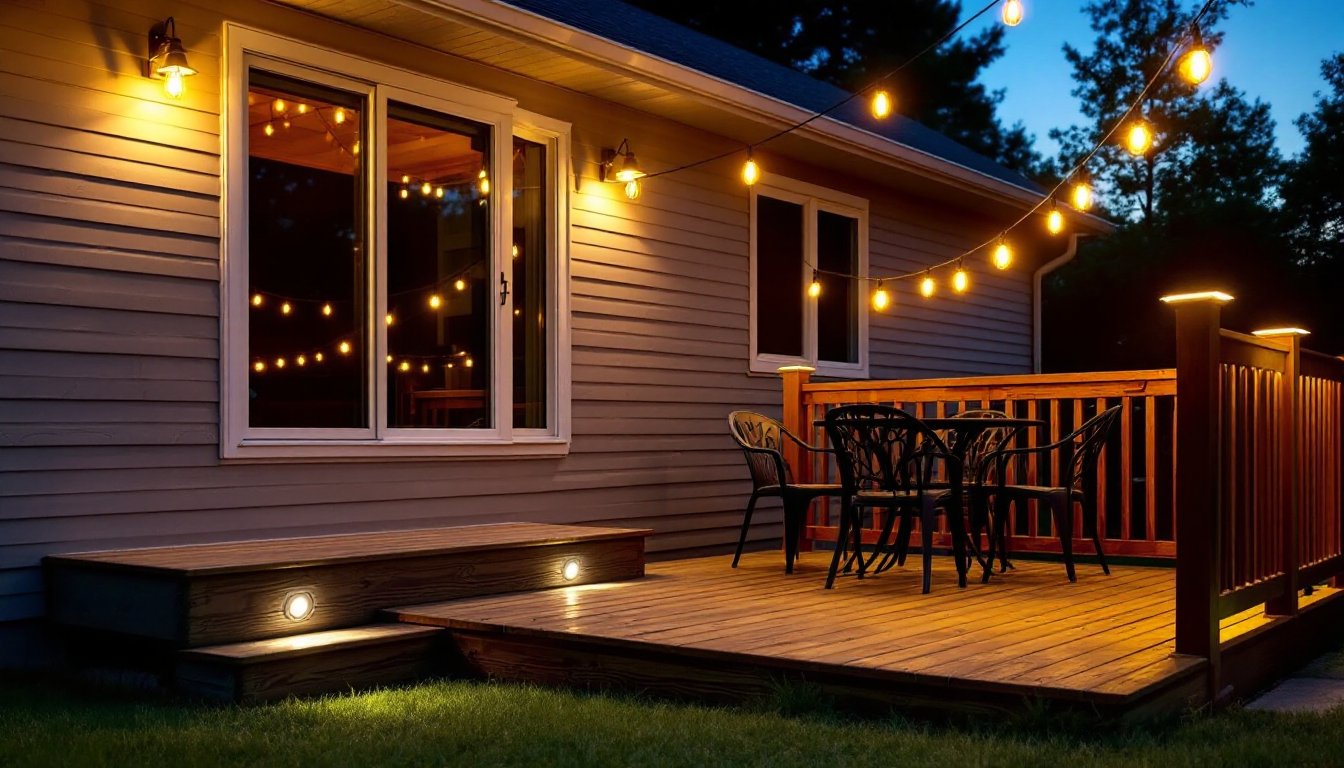
Define outdoor rooms. String globe lights along the perimeter of a deck or patio to create a visual ceiling that separates dining or seating zones from the surrounding yard. Run cables in a grid pattern overhead, spacing rows 6 to 8 feet apart, for even coverage. This works especially well over gravel patios or poolside lounging areas where foot traffic isn’t a concern.
Highlight architectural features. Mount post globe lights atop pergola columns or arbor uprights to draw the eye vertically and add sculptural interest after dark. Use dimmable LED bulbs on a smart switch to adjust brightness for different occasions, full output for meal prep, 30–50% for ambient dining.
Layer pathway lighting. Combine low pathway globe stakes (18–24 inches tall) with taller post globes (4–5 feet) at interval points like stair landings or intersections. The varied heights create depth and prevent the monotonous “landing strip” look of uniform fixtures.
Frame water features. Place globe lights on low stakes around pond edges or fountain bases. Opt for waterproof IP67-rated fixtures near splashing water. The globe shape complements organic pond curves better than angular spotlights.
Illuminate trees from below. Stake globe lights at the base of specimen trees (maples, dogwoods, ornamental cherries) to uplight branches. Use frosted globes to minimize glare when viewed from the house. This technique adds drama without the harshness of directional uplights.
Mark property transitions. Install post globe lights where driveways meet walkways, or at the transition from lawn to garden beds. They serve as visual cues that improve navigation and reduce tripping hazards without requiring extensive trenching for multiple fixtures.
Installation and Maintenance Tips for Long-Lasting Performance
Wear safety gear. Use gloves when handling metal posts or sharp conduit edges, safety glasses when drilling post caps, and insulated tools when working near electrical connections. Always turn off power at the breaker before wiring permanent fixtures.
Plan cable routing. For string lights, measure the span and add 10% for sag and connection points. Use a tape measure and chalk line to mark guide wire anchor points. Pre-drill pilot holes in posts with a 3/16-inch bit for eye hooks to prevent splitting.
When installing post globes, route cable through the post interior by drilling a 1-inch hole near the base and top. Feed 12/2 UF-B cable (or low-voltage wire) through before setting the post in concrete. Seal the top hole with silicone caulk after threading the wire to prevent moisture from rotting the post.
Secure connections. Use waterproof wire nuts filled with dielectric grease for all outdoor splices. For low-voltage systems, twist connections are often inadequate, use crimp connectors and heat-shrink tubing to prevent corrosion. Bury junction boxes at least 6 inches below grade and mark locations with landscape flags so they’re findable later.
Test before finishing. Connect fixtures and power on the circuit before backfilling trenches or securing final mounting hardware. Check for voltage drop with a multimeter, 12V systems should read at least 10.8V at the farthest fixture. If voltage is low, upsize the cable (16-gauge to 12-gauge) or shorten the run.
Clean globes seasonally. Remove diffusers twice a year and wash with mild dish soap and warm water. Abrasive cleaners scratch polycarbonate, creating haze that reduces light output by 15–20%. Dry thoroughly before reinstalling to prevent moisture trapping.
Inspect seals annually. Check gaskets and O-rings for cracking. Replace them before they fail, water intrusion corrodes sockets and shorts LEDs. Keep spare gaskets on hand: they’re inexpensive insurance.
Replace LED drivers proactively. Integrated LED fixtures often fail at the driver (the small circuit board inside the housing) rather than the LEDs themselves. If a fixture starts flickering after 5–7 years, swap the driver instead of the entire fixture. Many manufacturers sell replacement drivers for $15–$30, extending fixture life another decade.