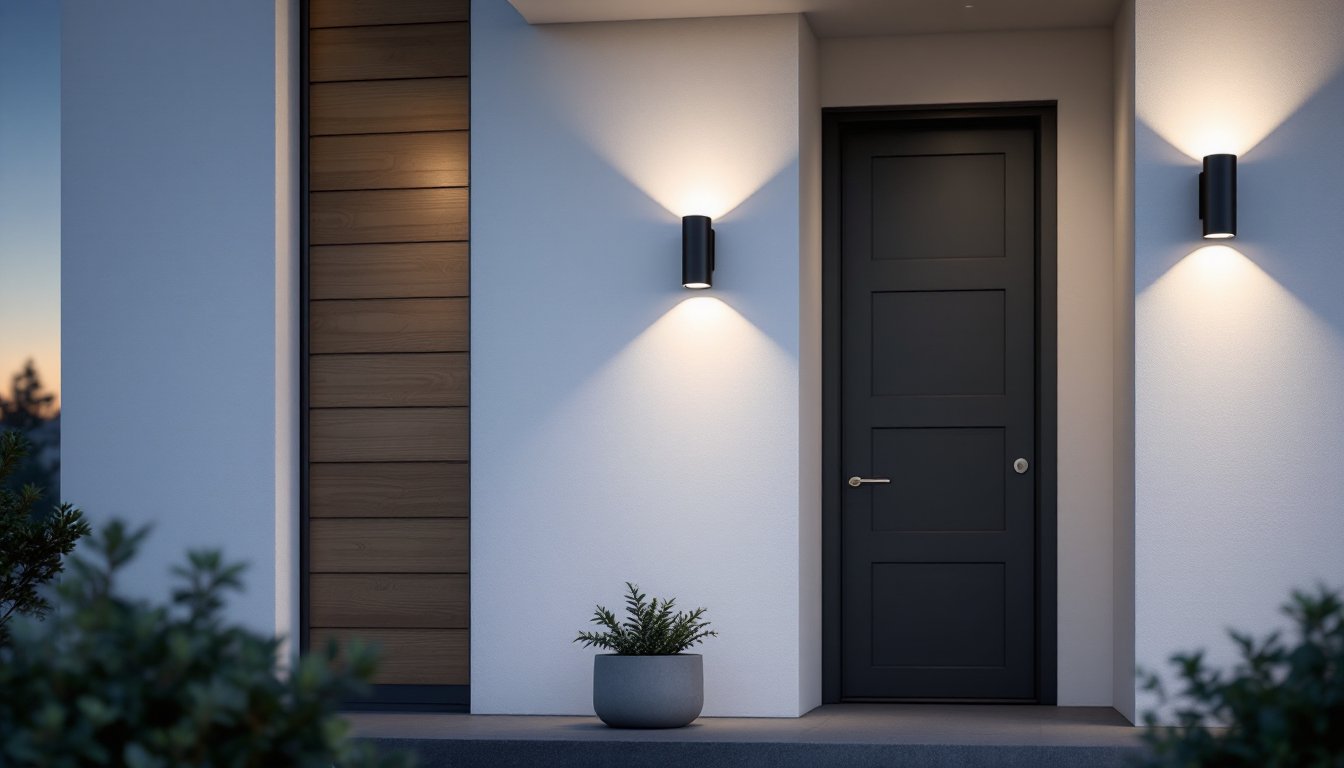
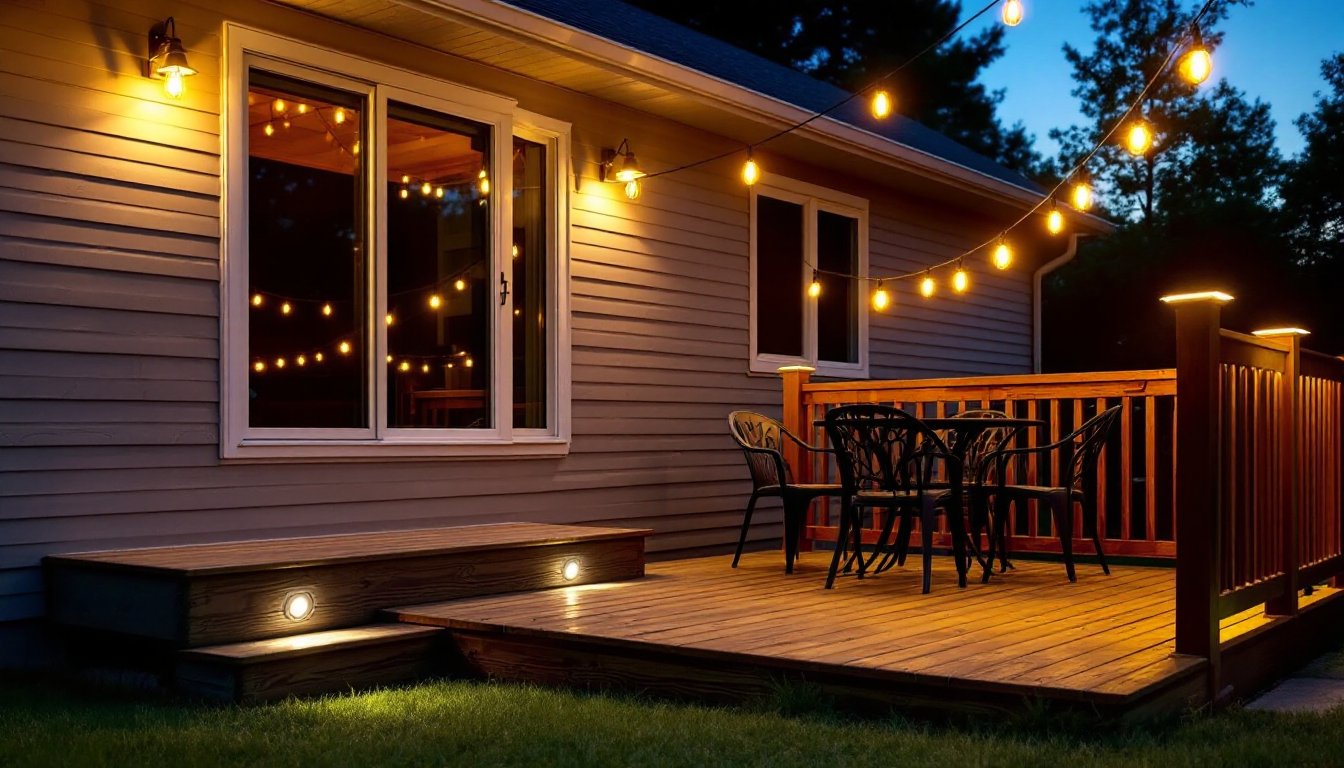
Finding the right outdoor lighting contractor transforms more than just a yard, it upgrades security, curb appeal, and usability after dark. But scrolling through pages of “near me” search results doesn’t guarantee quality. Between unlicensed handymen and overpriced installers, homeowners face a minefield of choices. The right professional brings electrical expertise, design sense, and knowledge of local codes. They’ll handle low-voltage transformer sizing, weather-resistant fixture placement, and proper burial depth for wiring, details that separate a system lasting 15 years from one failing in three. This guide walks through the process of vetting, hiring, and working with outdoor lighting contractors who deliver results worth the investment.
Table of Contents
ToggleKey Takeaways
- Hiring a professional outdoor lighting contractor ensures electrical code compliance, proper load calculations, and weather-resistant installation that protects your home and investment.
- Verify that outdoor lighting contractors are licensed, insured, and willing to pull permits for line-voltage work—this protects you from safety hazards, liability, and future home sale complications.
- Request itemized estimates with fixture models, transformer specs, wire gauges, and labor breakdowns to accurately compare bids and avoid hidden costs from the cheapest bidders.
- Quality outdoor lighting contractors provide site visits, design renderings, and specific fixture recommendations from reputable brands like WAC and Kichler rather than generic solutions.
- Budget $1,200–$2,500 for basic low-voltage path lighting or $3,500–$15,000+ for comprehensive landscape lighting systems, where labor typically accounts for 40–60% of total cost.
- Review recent references, check state licensing boards and professional associations like AOLP, and ask specific questions about wire gauge, burial depth, and warranty coverage before hiring.
Why Hire a Professional Outdoor Lighting Contractor?
DIY outdoor lighting works for simple solar path lights, but anything involving buried wiring or line-voltage systems quickly escalates beyond weekend project territory. Here’s what professionals bring to the job:
Electrical code compliance. The National Electrical Code (NEC) and local amendments dictate everything from wire gauge to GFCI protection for outdoor circuits. Most low-voltage systems operate at 12V and technically don’t require permits, but line-voltage installations (120V) almost always do. Licensed contractors know which applies and handle the paperwork.
Proper load calculations. A 300-watt transformer powering fifteen 20-watt LED fixtures sounds fine on paper, but voltage drop over distance matters. Professionals calculate wire runs, use appropriately sized cables (usually 12- or 14-gauge for low-voltage), and avoid the dim fixtures at the end of the line that plague amateur installs.
Weather-resistant installation. Outdoor fixtures face rain, snow, UV exposure, and temperature swings. Contractors specify wet-rated or damp-rated fixtures per location, use sealed wire connectors, and bury cables at code-required depths, typically 6 inches minimum for low-voltage, 12–18 inches for line-voltage depending on conduit type.
Design expertise. Lighting a pathway differs from uplighting trees or grazing a stone façade. Professionals understand beam angles, color temperature (2700K–3000K is standard for residential), and how to layer ambient, task, and accent lighting without creating glare or light pollution.
Safety and liability. Incorrectly installed outdoor wiring poses shock and fire hazards. Licensed contractors carry insurance, if something goes wrong, the homeowner isn’t financially exposed.
What to Look for in an Outdoor Lighting Contractor
Not all contractors who’ll touch outdoor lighting specialize in it. Electricians, landscapers, and dedicated lighting designers all operate in this space, each with different strengths.
Credentials, Licensing, and Insurance
Electrical license. If the project involves any 120V wiring or ties into the home’s main panel, the contractor needs a licensed electrician on staff or must be one themselves. Low-voltage-only installers sometimes operate without electrical licenses (legal in many jurisdictions), but verify local requirements.
Landscape lighting certification. Organizations like the Association of Outdoor Lighting Professionals (AOLP) offer certification programs. While not mandatory, certified contractors typically have formal training in design principles, fixture types, and installation best practices.
Insurance coverage. At minimum, contractors should carry general liability insurance (usually $1–2 million) and workers’ compensation if they employ others. Ask for certificates of insurance, don’t just take their word.
Permits and inspections. For line-voltage work, the contractor should pull permits and schedule inspections. If they suggest skipping this step to save money, walk away. Unpermitted electrical work can void home insurance and complicate future sales.
Portfolio and Design Expertise
Photos of completed projects. Look for variety, uplighting, path lighting, deck and patio installs, water feature illumination. Generic stock photos are a red flag. Ask to see projects similar to what the homeowner envisions.
Design process. Quality contractors conduct site visits at night to assess existing light sources, shadows, and focal points. They should provide sketches or digital renderings, not just hand-wave about “putting some lights over there.”
Fixture knowledge. Ask about brands they use and why. Reputable manufacturers like WAC, Kichler, FX Luminaire, and Hunza offer long warranties and replacement parts. Cheap no-name fixtures might save $50 upfront but corrode within two seasons.
Color temperature consistency. Mixing 2700K and 4000K fixtures in the same zone looks amateurish. Professionals spec consistent color temperatures and ensure all LEDs come from the same production batch when possible to avoid tint variation.
How to Find the Best Outdoor Lighting Contractors in Your Area
Start local, not with national chains. Regional contractors often provide better service and understand local soil conditions, frost depth, and seasonal challenges. Here’s where to look:
- State licensing boards. Search by trade and ZIP code to verify active licenses and check for disciplinary actions or complaints.
- Professional associations. The AOLP and National Association of Landscape Professionals (NALP) maintain member directories searchable by location.
- Local building departments. Some permit offices can recommend licensed contractors they’ve worked with, though they typically won’t endorse specific companies.
- Landscape designers and architects. They often collaborate with lighting specialists and can provide referrals based on quality, not just price.
- Neighborhood apps and local forums. Nextdoor and community Facebook groups yield real opinions from neighbors who’ve hired contractors recently.
Jobsite visits. If possible, ask to see an active project. It reveals how the crew works, clean jobsite, organized materials, and respectful communication indicate professionalism.
Multiple quotes. Three estimates provide a pricing baseline and let homeowners compare approaches. If one bid is significantly lower, it may exclude critical components like transformers, timers, or warranty coverage.
Questions to Ask Before Hiring
A phone call or initial consult should answer these questions. If the contractor dodges or gives vague answers, that’s a warning sign.
- “Are you licensed and insured for electrical work in this jurisdiction?” Get license numbers and verify them independently.
- “Will you pull permits if required?” Even low-voltage installs sometimes need permits in strict municipalities. The contractor should know.
- “What brands and fixture types do you recommend for this project?” Listen for specific model lines, wattages, and beam angles, not just “we use good stuff.”
- “How deep will you bury the wire, and what gauge will you use?” For low-voltage, 12-gauge wire is standard for runs over 100 feet: 14-gauge works for shorter distances. Burial depth should meet or exceed local code.
- “What transformer size do I need, and where will it be located?” Transformers should have 20–25% capacity headroom above total fixture wattage. Placement affects voltage drop and accessibility for future adjustments.
- “Do you provide a photometric plan or layout drawing?” Professional designers map fixture locations, aiming directions, and estimated light levels.
- “What does the warranty cover, labor, fixtures, both?” Many manufacturers offer 5–10 year warranties on LEDs and housings, but labor warranties vary. Get it in writing.
- “How long will the install take, and will you restore landscaping afterward?” Trenching tears up turf and beds. Contractors should reseed, re-mulch, or relay sod as part of the quote.
- “Can I get references from projects completed in the last year?” Recent references matter more than ones from five years ago. Call them.
Understanding Pricing and Getting Accurate Estimates
Outdoor lighting costs vary widely based on system complexity, fixture count, and labor rates. Rough averages for 2026:
- Low-voltage path lighting (8–12 fixtures): $1,200–$2,500 installed, including transformer and wiring.
- Comprehensive landscape lighting (20–30 fixtures, multiple zones): $3,500–$8,000+.
- Line-voltage installations or architectural accent systems: $5,000–$15,000+, especially if integrating with home automation.
Pricing typically breaks into materials (fixtures, wire, transformers, connectors) and labor (trenching, wiring, programming). Expect labor to account for 40–60% of the total.
What should estimates include?
- Itemized fixture list with model numbers, quantities, and unit costs.
- Transformer specs (wattage, brand, placement).
- Wire type and length (e.g., “150 feet of 12-gauge direct-burial cable”).
- Labor breakdown (design consult, installation, cleanup, landscape restoration).
- Permit fees if applicable.
- Warranty terms for both products and workmanship.
Beware of estimates that lump everything into one line item. That makes it impossible to verify what’s included or compare bids apples-to-apples.
Add-ons to consider:
- Timers and smart controls. Astronomical timers adjust for sunrise/sunset automatically. Smart systems (Lutron, Control4) integrate with whole-home automation but add $500–$1,500+.
- Zoning. Separate zones for front yard, backyard, and accent lighting allow independent control and reduce transformer load.
- Maintenance plans. Some contractors offer annual service, adjusting fixtures, cleaning lenses, replacing burned-out LEDs, for $150–$300/year.
Don’t choose based solely on the lowest bid. The cheapest quote often uses builder-grade fixtures, skimps on wire gauge, or excludes future service. A mid-range bid from a licensed, insured contractor with a solid portfolio typically delivers better long-term value.
Final contract checklist:
- Scope of work in detail.
- Total cost with payment schedule (avoid paying more than 30–50% upfront).
- Start and completion dates.
- Warranty duration and coverage.
- Permits and inspection responsibilities.
- Cleanup and restoration obligations.
Once the contract’s signed, a good contractor communicates proactively, sends crew schedules, flags any site surprises (rock ledge, unexpected sprinkler lines), and walks the homeowner through system operation before final payment. That’s the difference between a transactional hire and a professional partnership that lights up the property for years to come.