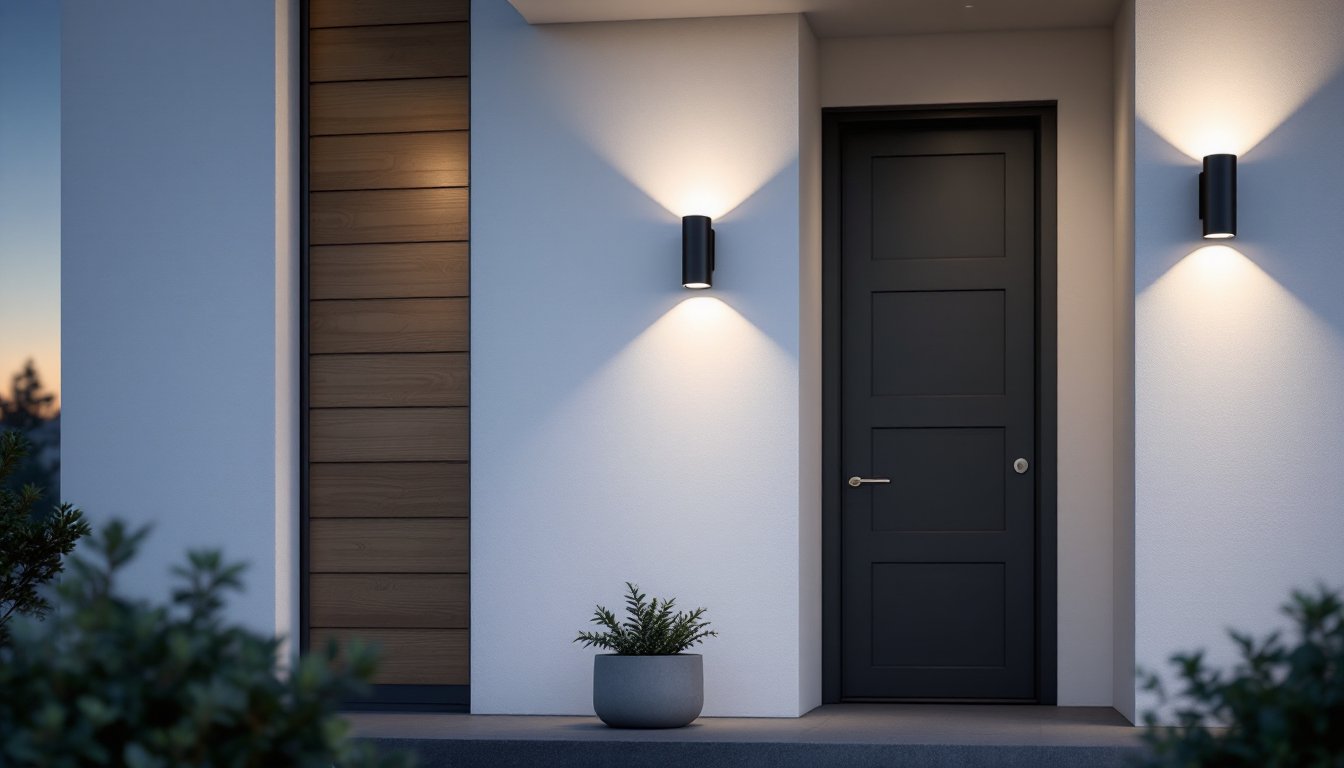
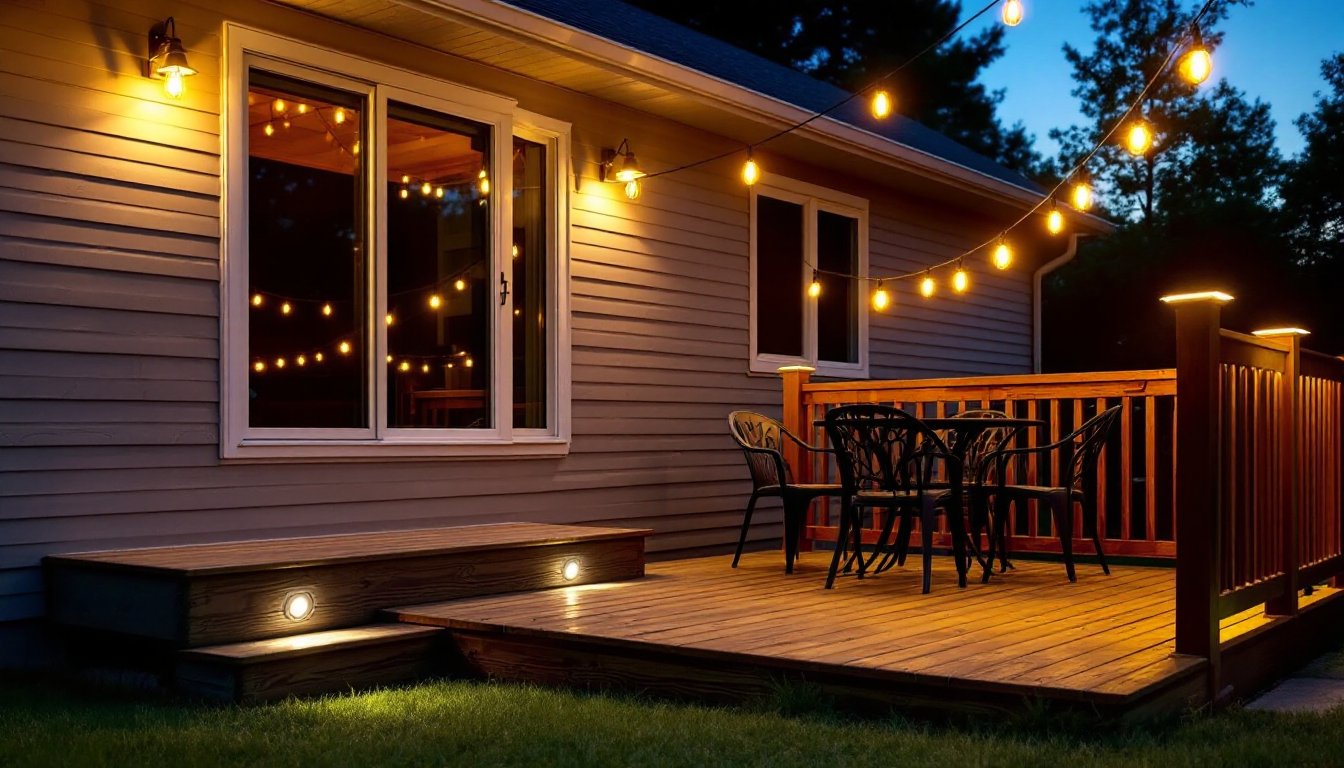
A well-lit pathway does more than prevent twisted ankles on a dark evening, it defines landscape architecture, extends usable outdoor hours, and adds real curb appeal. Outdoor pathway lighting has evolved significantly from the clunky solar stakes that barely lasted a season. Today’s options combine energy efficiency, durability, and design flexibility that works for everything from a simple walkway to complex hardscape layouts. Whether someone’s lighting a flagstone path to the front door or illuminating a backyard trail, understanding the fixture types, layout principles, and installation methods makes the difference between a professional-looking result and a spotty, underwhelming mess.
Table of Contents
ToggleKey Takeaways
- Outdoor pathway lighting improves safety by eliminating tripping hazards and clearly marking elevation changes, with properly spaced fixtures reducing fall risks on dark walkways.
- Modern outdoor pathway lighting solutions include solar-powered fixtures (no wiring, zero operating costs) and low-voltage LED systems (20–50+ lumens, 15–25 year lifespan) suited to different budgets and site conditions.
- Strategic placement every 6–8 feet along straight paths with warm white LEDs (2700K–3000K) and 50–100 total lumens per 10 feet creates safe navigation without glare or light pollution.
- Quality landscape lighting can add 15–20% to perceived home value while extending the visual appeal of outdoor spaces into evening hours.
- Low-voltage LED pathway lighting installation is a manageable DIY project when using proper waterproof connectors, a GFCI-protected outlet, and correct trenching depth (6–8 inches) to prevent voltage drop and water damage.
Why Outdoor Pathway Lighting Matters for Your Home
Pathway lighting serves three critical functions that homeowners often underestimate until they’re already stumbling around in the dark.
First, safety. Unlit walkways, steps, and grade changes are liability risks. According to the National Safety Council, falls account for over 8 million emergency room visits annually, and many occur on outdoor surfaces. Properly spaced pathway lights eliminate tripping hazards and clearly mark elevation changes, particularly important near stairs, curbs, or uneven pavers.
Second, security. A lit perimeter discourages opportunistic trespassers and removes hiding spots near entry points. Motion-activated or dusk-to-dawn pathway lighting creates the impression of occupancy and makes it harder for anyone to approach unnoticed. While not a substitute for dedicated security lighting, well-placed pathway fixtures contribute to a layered defense strategy.
Third, property value and aesthetics. Quality landscape lighting can add 15–20% to perceived home value, according to the National Association of Home Builders. Pathway lighting highlights architectural features, guides guests naturally toward entrances, and extends the visual appeal of landscaping into evening hours. It’s one of the few exterior upgrades that delivers both functional and resale benefits without major structural work.
Pathway lighting also reduces reliance on harsh floodlights or porch fixtures that create glare and light pollution. Targeted, downward-facing path lights provide just enough illumination without washing out the night sky or annoying neighbors.
Types of Outdoor Pathway Lighting to Consider
Choosing the right fixture type depends on budget, existing electrical infrastructure, and how much maintenance someone’s willing to handle. The two dominant categories in 2026 are solar-powered and low-voltage LED systems, each with distinct trade-offs.
Solar-Powered Pathway Lights
Solar fixtures have improved dramatically over the past five years. Modern units use monocrystalline panels and lithium-ion batteries that hold charges longer and tolerate cold better than older nickel-cadmium models.
Pros:
- No wiring required, stake them in place and they’re operational.
- Zero operating cost and no transformer needed.
- Easy to relocate if landscape design changes.
- Ideal for areas far from existing electrical service.
Cons:
- Performance depends entirely on sunlight exposure. Shaded pathways under tree canopies or north-facing routes get inconsistent charging.
- Light output (measured in lumens) typically ranges from 5–15 lumens per fixture, which is adequate for ambient marking but not task lighting.
- Battery lifespan averages 2–4 years before replacement, and some models use proprietary batteries that complicate sourcing.
- Cheaper units still suffer from dim LEDs and flimsy construction that won’t survive a season of freeze-thaw cycles.
Look for solar path lights rated at 10+ lumens with replaceable AA or AAA rechargeable batteries. Fixtures with separate solar panels connected by wire allow placement of the panel in full sun while the light itself sits in partial shade, a useful workaround for challenging sites.
Low-Voltage LED Pathway Lights
Low-voltage systems run on 12V or 24V power supplied by a transformer plugged into a standard 120V outdoor outlet (GFCI-protected, per NEC Article 210.8). They deliver consistent, bright illumination and support larger installations.
Pros:
- Reliable output regardless of weather. Fixtures typically produce 20–50 lumens or more, depending on design.
- Longevity, quality LED path lights last 25,000–50,000 hours, or roughly 15–25 years at 6 hours per night.
- Dimmable and timer-compatible. Many transformers include photocells, timers, or smart home integration.
- Professional appearance with uniform brightness across all fixtures.
Cons:
- Requires running low-voltage cable (usually 12- or 14-gauge) from the transformer to each fixture. This means trenching or surface-mounting wire, which adds labor.
- Transformer cost ranges from $50 for basic 60W units to $300+ for 300W smart models.
- Total wattage must stay within transformer capacity. A 150W transformer supports roughly 30–40 small LED path lights (3–5W each), depending on wire run length and voltage drop.
For most residential pathways, 12V LED systems offer the best balance of performance, cost, and ease of installation. They’re bright enough for safe navigation, support automation, and don’t require an electrician unless adding a new outdoor outlet (which may need a permit depending on local codes).
How to Design an Effective Pathway Lighting Layout
Good pathway lighting isn’t about flooding the area, it’s about strategic placement that guides movement and highlights edges without glare.
Spacing: Place fixtures every 6–8 feet along straight paths. For curved or winding walkways, position lights on the outside of curves to visually emphasize the turn and prevent cutting corners in the dark. Closer spacing (4–6 feet) works better on stairs or steep grades where additional visibility matters.
Height and placement: Most path lights stand 12–24 inches tall. Shorter fixtures (12–18 inches) create a subtle glow and work well in planting beds or alongside low groundcover. Taller fixtures (20–24 inches) provide broader coverage but can feel too prominent in minimalist landscapes. Avoid placing lights directly in the center of narrow paths, offset them slightly to one side or stagger them in a zig-zag pattern to keep the walking surface clear.
Lumens and color temperature: Aim for 50–100 total lumens per 10 feet of pathway for safe navigation. Individual fixtures don’t need to be bright: overlapping pools of light create continuity. Choose warm white LEDs (2700K–3000K) for a natural, inviting tone that complements most landscape materials. Cool white (4000K+) tends to look harsh and commercial.
Layering: Combine path lights with other landscape lighting types, uplighting on trees, step lights on risers, or accent lights on architectural features. This creates depth and prevents the “landing strip” effect of a single row of identical fixtures.
Avoiding light pollution: Use fixtures with integrated shields or hoods that direct light downward. Glare ruins night vision and bothers neighbors. Full-cutoff fixtures (those that emit zero lumens above a 90-degree angle) are the gold standard for dark-sky compliance and are increasingly required in some municipalities.
Sketch the layout on graph paper or use landscape design software to visualize spacing before buying fixtures. Walk the path at dusk to identify trouble spots, uneven pavers, roots, or drainage grates, that need extra attention.
Installation Tips for Pathway Lighting Success
Proper installation prevents voltage drop, water intrusion, and premature failure. For low-voltage systems, this is a manageable DIY project: for line-voltage (120V) work, hire a licensed electrician.
Tools and materials:
- Trenching spade or flat shovel
- Wire strippers and connectors (waterproof, grease-filled wire nuts or twist-lock connectors)
- 12- or 14-gauge low-voltage landscape wire (stranded copper, rated for direct burial)
- Transformer with appropriate wattage capacity
- GFCI-protected outdoor outlet
- Path light fixtures
- Safety glasses and work gloves
Step-by-step for low-voltage systems:
-
Mount the transformer near a GFCI outlet, ideally in a sheltered spot (under an eave or in a weatherproof enclosure). Confirm it’s rated for the total wattage of all fixtures plus 20% overhead to account for voltage drop.
-
Lay out the cable run along the pathway without burying it. Connect fixtures temporarily to test the layout and confirm even illumination. Adjust spacing as needed.
-
Trench the cable to a depth of 6–8 inches (check local codes, some jurisdictions require deeper burial or conduit). Use a trenching spade to create a narrow slit rather than a wide trench: this minimizes lawn disruption. For hard-packed soil, a garden hose left running for a few minutes softens the ground.
-
Connect fixtures using the manufacturer’s connectors. Avoid cutting the main wire: most systems use piercing connectors that tap into the cable without splicing. If splicing is necessary, use waterproof connectors and seal with silicone or heat-shrink tubing.
-
Bury the cable and backfill the trench. Avoid kinks or sharp bends that stress the wire. Leave a small loop of slack at each fixture to allow for settling or future adjustments.
-
Test the system before final burial. Turn on the transformer at dusk and walk the path to check for dark spots, flickering, or dim fixtures at the end of the run (a sign of voltage drop). If voltage drop is an issue, use heavier gauge wire or run a second cable from the transformer to split the load.
For solar lights: Installation is simpler, push the stake into the ground, ensuring the solar panel faces south (in the Northern Hemisphere) and isn’t shaded. Tamp soil firmly around the stake to prevent tipping in wind or rain.
Safety notes: Always wear safety glasses when trenching (rocks and roots can kick up). If the project involves adding a new outdoor outlet or working with 120V wiring, that’s permit territory in most areas and best left to a licensed electrician. Never splice low-voltage wire underwater or in standing water, use only connectors rated for wet locations.
Conclusion
Outdoor pathway lighting transforms neglected corners into functional, attractive spaces. Whether someone opts for the simplicity of solar stakes or the reliability of a low-voltage LED system, the key is intentional layout, proper installation, and fixtures that match the site’s sun exposure and aesthetic. Take the time to plan spacing, avoid glare, and bury wire correctly, the result is a safer, more welcoming property that works long after sunset.