Most yards look the same after dark, a few path lights leading to the door, maybe a spotlight on the garage. But landscape lighting can do far more than mark a walkway. When applied creatively, it turns an outdoor space into something people stop to look at, adding dimension, drama, and genuine curb appeal.
Unique landscape lighting isn’t about loading a yard with fixtures. It’s about rethinking placement, choosing unexpected materials, and using light itself as a design element. The right approach highlights architecture, shapes the mood of a garden, and makes outdoor areas usable after sunset. Below are seven practical ways homeowners can push beyond the standard-issue solar stake lights and create something memorable.
Table of Contents
ToggleKey Takeaways
- Unique landscape lighting goes beyond basic path lights by using creative placement, unexpected materials, and light as a design element to add curb appeal and property value.
- Sculptural and artistic lighting fixtures—such as hand-forged metal lanterns or fiber-optic installations—transform functional hardware into focal points that enhance contemporary or naturalistic garden designs.
- Unconventional light placement techniques like uplighting, backlighting, and moonlighting create dramatic effects that highlight architectural features and tree textures without cluttering the yard with visible fixtures.
- Color-changing LED systems offer flexibility for different moods and uses, but should be used with restraint to avoid looking garish—warm whites (2700–3000K) work best for foliage highlighting.
- Nearly invisible in-ground well lights, submersible LEDs, and strip lighting tucked beneath natural features allow landscape lighting to blend seamlessly while letting the landscape take visual credit.
- Modern solar-charged systems, motion-activated fixtures, and projection lighting provide affordable, innovative ways to create one-of-a-kind effects that make outdoor spaces usable and visually engaging after sunset.
Why Unique Landscape Lighting Matters for Your Home
Standard lighting gets the job done, but it rarely adds value. Unique landscape lighting does three things well: it extends livable space into the evening, it increases safety without looking institutional, and it creates visual interest that stands out in a neighborhood.
From a property value standpoint, well-designed outdoor lighting is one of the few exterior upgrades that pays dividends at resale. According to the National Association of Home Builders, outdoor lighting ranks consistently in the top tier of desirable features among buyers. But cookie-cutter path lights don’t move the needle. What catches attention, and appraisals, are installations that feel intentional and site-specific.
There’s also a functional argument. Thoughtful lighting reduces trip hazards on steps and slopes, deters unwanted visitors, and allows homeowners to use patios, decks, and gardens long after sunset. The difference between generic and unique comes down to how light interacts with existing landscape features, trees, stonework, water, architecture, and whether the fixtures themselves add to or detract from the scene.
Sculptural and Artistic Lighting Fixtures
Fixtures don’t have to disappear. Sculptural lighting treats the fixture itself as part of the design, turning functional hardware into a focal point even when the light is off.
Options include hand-forged metal lanterns, geometric powder-coated steel posts, and fixtures made from weathered copper or cor-ten steel that develops a rust patina over time. These materials age visibly, which suits naturalistic or modern minimalist landscapes better than molded plastic.
For something bolder, fiber-optic or LED-embedded art installations work well in contemporary settings. Some homeowners commission custom pieces, think illuminated garden stakes shaped like native grasses or abstract metal forms that cast patterned shadows. These aren’t off-the-shelf products: they’re often sourced from metal fabricators, artist cooperatives, or specialty lighting designers.
When choosing sculptural fixtures, consider scale and sightlines. A 3-foot steel bollard works in an open lawn but overwhelms a narrow side yard. And because these pieces draw the eye, placement matters, use them where they’ll anchor a view or mark a transition between garden zones, not randomly scattered across the property.
Unexpected Light Placement Techniques
Where light comes from changes how a space feels. Instead of lighting the ground, try lighting from below, behind, or within landscape elements.
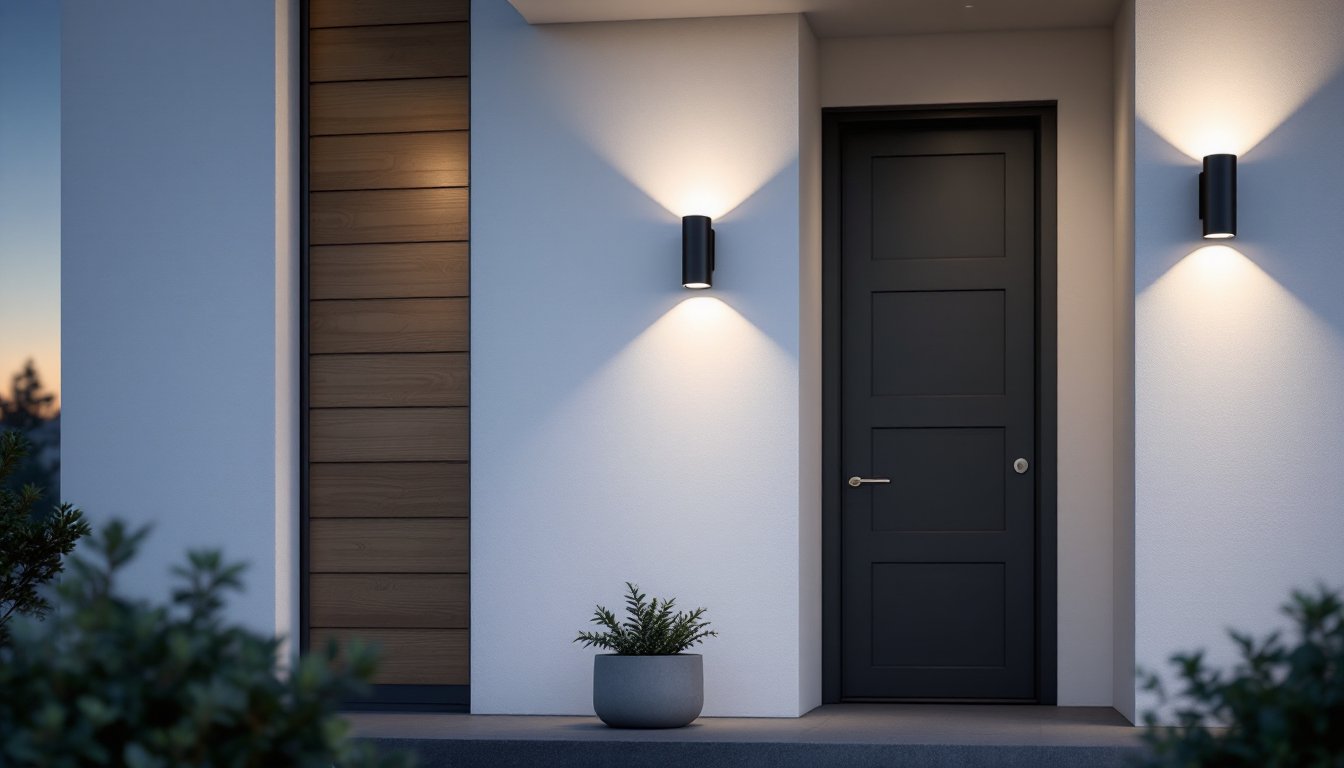
Uplighting works on textured surfaces, stone walls, tree bark, or stucco. A low-voltage fixture placed at the base of a mature oak can throw branching shadows across a fence or building facade. For best results, position the fixture 12 to 18 inches from the trunk and aim upward at a slight angle. Use a narrow beam (15–25 degrees) to avoid light spill.
Backlighting (or silhouetting) places the fixture behind an object, a large planter, a piece of yard art, an ornamental grass clump, so the form shows in relief against a wall or hedge. This technique works only if there’s a backdrop to catch the light.
Moonlighting mounts fixtures high in trees to cast dappled light downward, mimicking natural moonlight filtering through branches. This requires weatherproof fixtures rated for outdoor exposure and often a ladder or lift for installation. Secure fixtures with stainless steel straps, not screws driven into living wood, to avoid damaging the tree.
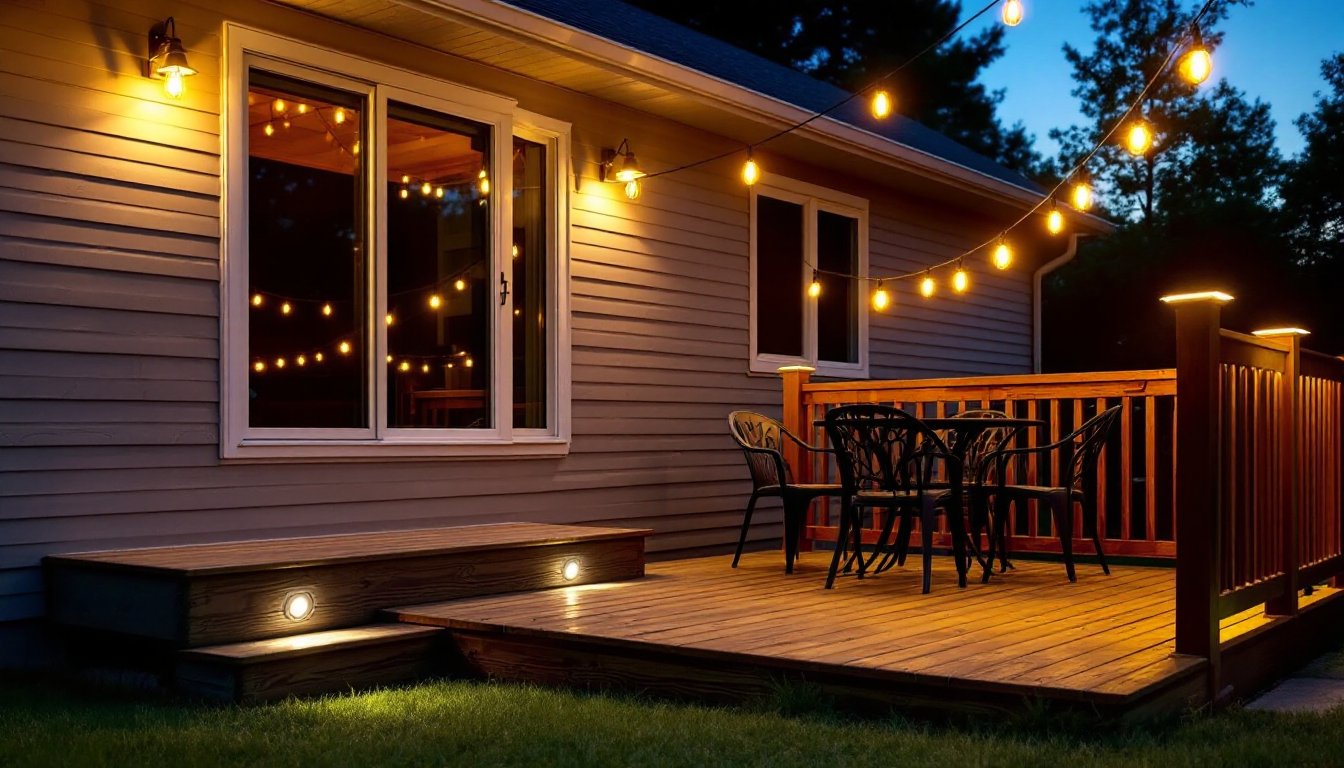
Finally, consider lighting within hardscape features, LEDs embedded in stair risers, along the underside of deck railings, or tucked into the mortar joints of a stone retaining wall. These placements eliminate traditional fixture clutter and make the light source nearly invisible.
Color-Changing and Dynamic Lighting Systems
Color isn’t just for holidays. RGB and RGBW LED systems allow homeowners to shift hue, intensity, and color temperature on demand, which can adapt a space for different uses, cool white for task lighting on a grill station, warm amber for a dinner party, saturated color for a gathering.
Systems from manufacturers like Philips Hue, LIFX, and FX Luminaire offer app-based control and scheduling. Some integrate with smart home platforms (Alexa, Google Home, Apple HomeKit), allowing voice control or automation tied to sunset times.
But color should be used with restraint. Saturated blues and purples can make plantings look sickly. If the goal is to highlight foliage, stick to warm whites (2700–3000K) or subtle amber tones. Reserve bold color for architectural features, water features, or seasonal displays.
Dynamic lighting, slow color transitions, pulsing, or timed sequences, works well for water features or large specimen trees where movement adds interest. For static garden beds or pathways, constant color tends to look more refined than cycling effects.
Be mindful of light pollution and neighbors. Bright, color-saturated fixtures pointed skyward or across property lines can be a nuisance. Most jurisdictions don’t regulate landscape lighting color, but overly intense installations may still prompt complaints or HOA violations.
Natural Integration: Lighting That Blends with Nature
Some of the most effective landscape lighting is nearly invisible by day. The fixtures hide, and the light itself feels organic, like it belongs to the landscape rather than being imposed on it.
In-ground well lights sit flush with soil or pavers, ideal for uplighting without visible hardware. Choose models with adjustable shrouds or glare shields to control beam direction. These work well around boulders, specimen plants, or the base of arbors.
Path lights disguised as stones or logs blend into mulched beds or gravel paths. They’re particularly useful in naturalistic or woodland-style gardens where traditional metal fixtures would break the illusion.
Another option: strip lighting tucked beneath natural stone caps on retaining walls or inside the hollow of a decorative boulder. Thin LED tape can be run through landscape features in ways that would be impossible with traditional fixtures.
For water features, submersible LEDs placed inside ponds or streams create an ethereal glow. Use IP68-rated fixtures (fully sealed against water intrusion) and ensure all electrical connections are rated for wet locations per NEC Article 680. A licensed electrician should handle wiring for any in-water installations, and a GFCI-protected circuit is mandatory.
The goal is to let the landscape take credit for the effect. If someone asks, “How did you light that?” the answer should be, “I’m not sure, it just looks that way at night.”
Innovative Technology for One-of-a-Kind Effects
Technology opens up lighting effects that weren’t feasible a decade ago. Solar-charged systems have improved dramatically: modern panels and lithium batteries now deliver consistent output through the night, even in partial shade. Look for models with monocrystalline panels and batteries rated for at least 1000 charge cycles.
Motion-activated fixtures can be programmed for dim-to-bright transitions, not just on/off. This works well for pathways or side yards that don’t need constant illumination but should light up when someone approaches.
Projection lighting uses gobos (patterned metal plates) to cast shapes, leaves, geometric grids, text, or custom designs, onto walls, patios, or driveways. It’s a theatrical technique adapted for residential use. Quality projection fixtures aren’t cheap, but they create effects impossible with standard floods or spots.
Fiber optic systems deliver light through flexible strands from a remote source, so no electricity runs to the fixture itself. This makes them safe for water features, tight spaces, or locations where traditional wiring is impractical. The downside: fiber optics are less energy-efficient than LEDs and cost more upfront.
For homeowners comfortable with low-voltage wiring, DIY smart controllers (using platforms like Raspberry Pi or Arduino with relay modules) can create custom lighting sequences, sync lights to music, or trigger effects based on weather sensors. This level of customization requires some technical skill but offers near-total creative control.
Conclusion
Unique landscape lighting isn’t a style, it’s an approach. It asks where light can go beyond the obvious, what happens when fixtures become part of the design, and how technology can create effects that feel personal rather than prefab. The best installations don’t announce themselves: they make a yard feel intentional, layered, and worth spending time in after dark. Start with one bold move, a sculptural fixture, an unexpected placement, a color wash on a feature wall, and build from there.